
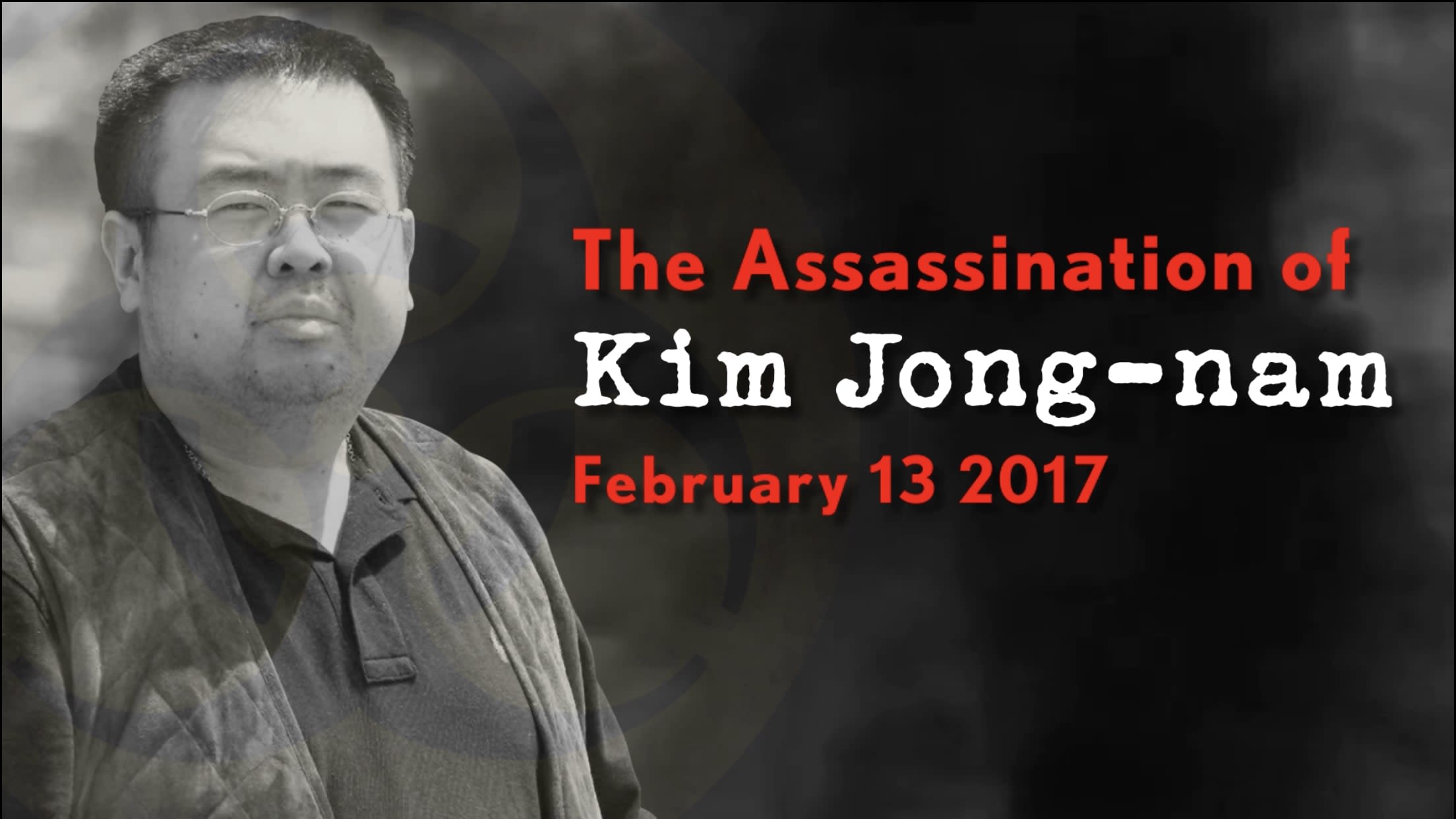
IT was supposed to have been a routine trip.
He had done this many times before: flying from this airport in Malaysia through Singapore to Macau, that when he walked through the entrance, he did not even feel or seem uneasy.
The man, wearing a light suit and carrying a backpack, was alone.
He walked with the gait of someone who is confident of not missing his flight, passing police officers at the entrance and heading for the main departure hall on the fourth floor.
The officers did not give him a second look - they had no reason to.
Chubby-cheeked, balding and slightly rotund around his waist, he did not look out of place among the thousands of air passengers milling in the lobby, checking their boarding gates, and fussing with their luggage that Monday morning.
He did not know, though, that there were people watching and waiting for him with bated breath, scrutisining his every move.
It was the day before Valentine's Day.
Stopping before the gigantic overhead departure board, the man squinted to read the gate number for his flight.
He found it and made for the self check-in kiosks with his passport and flight ticket in hand.
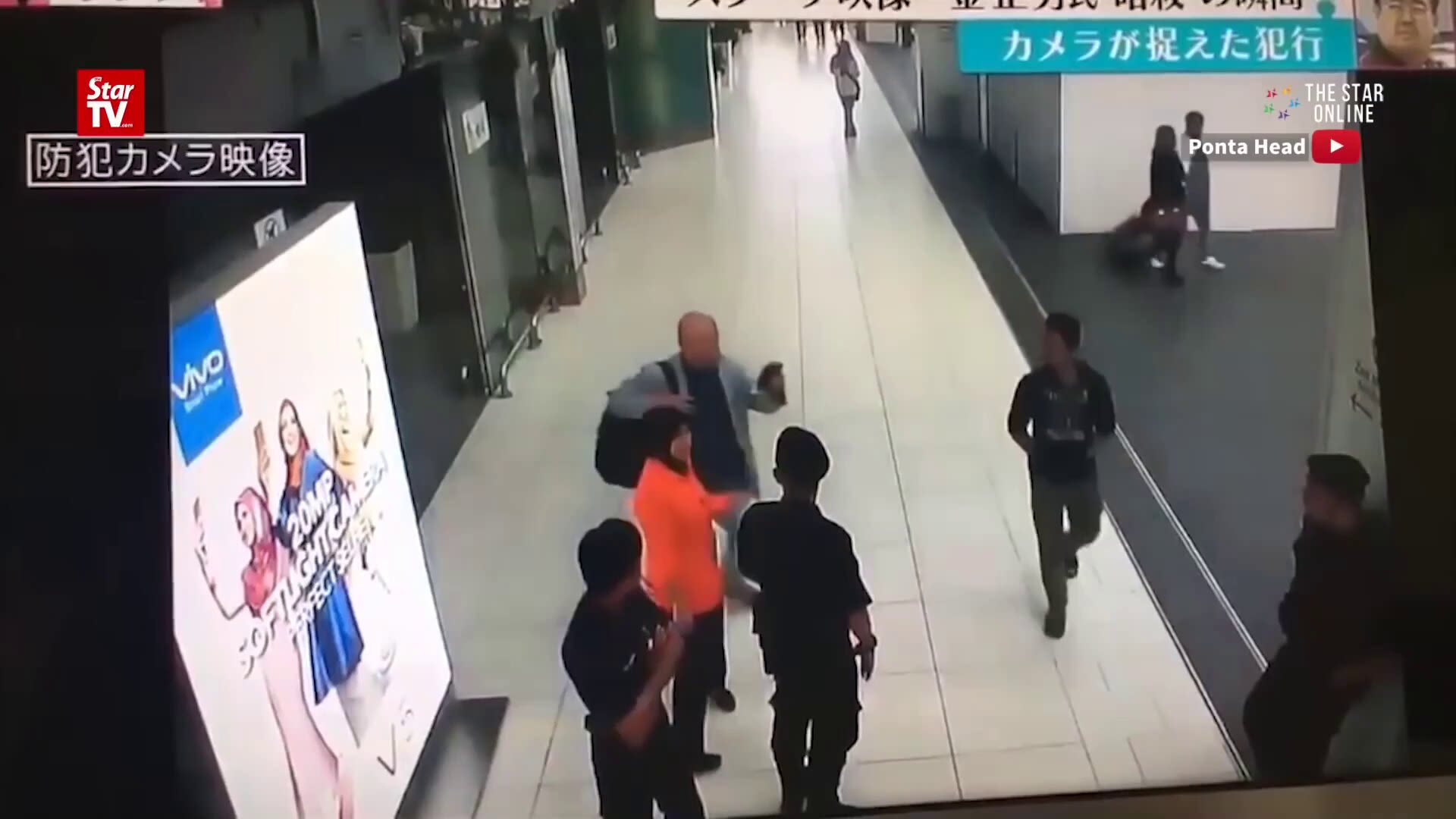
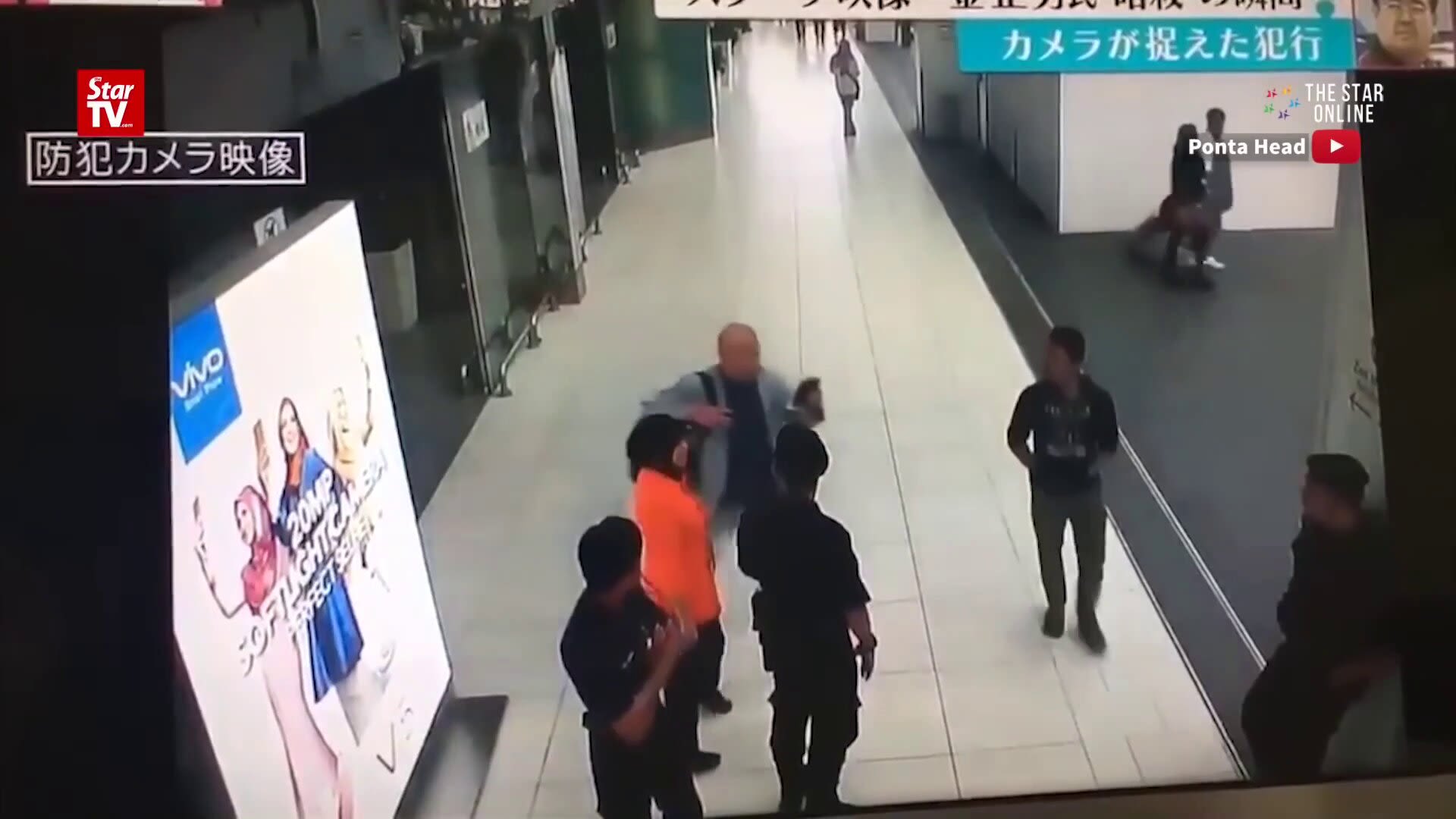
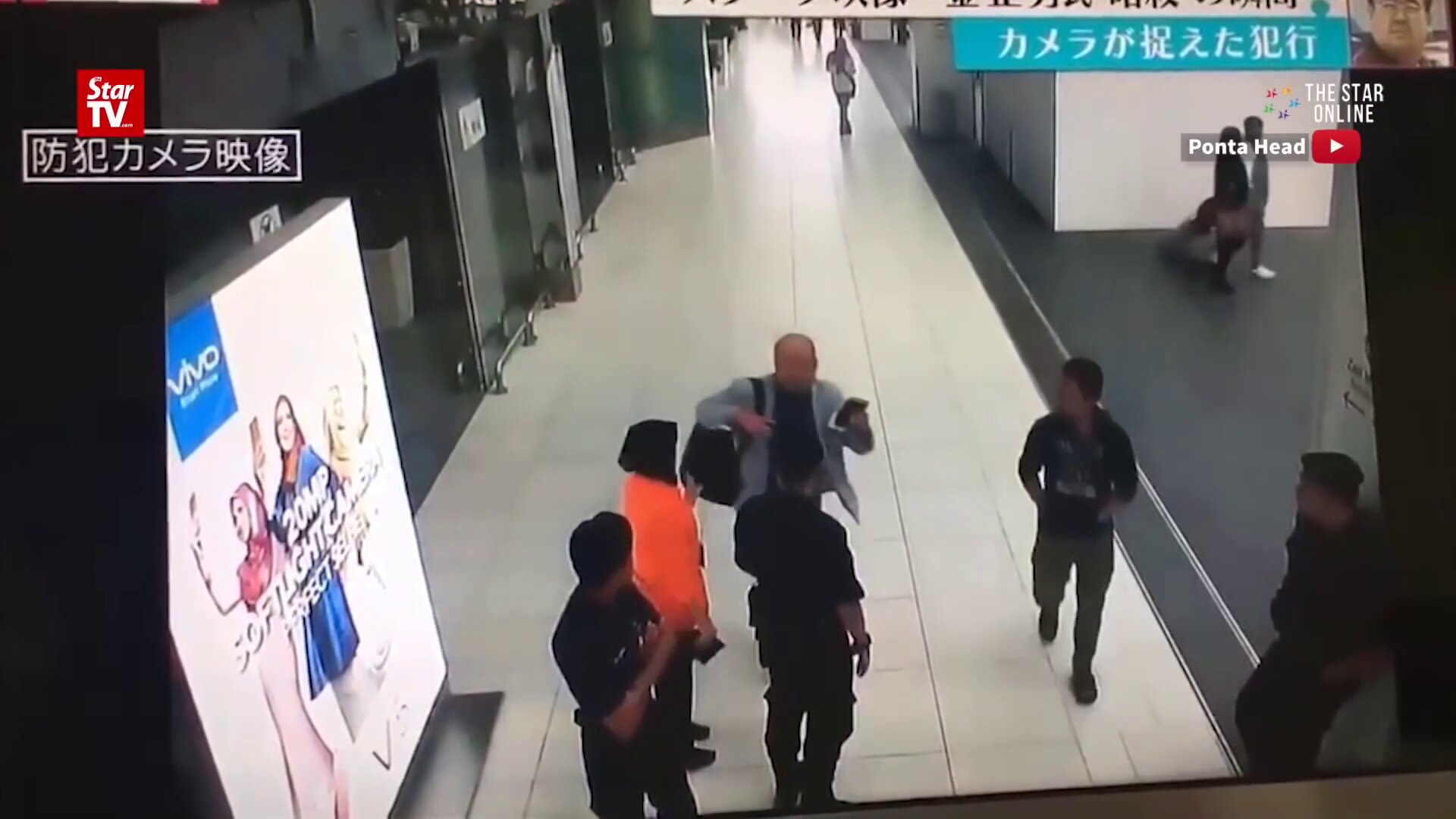
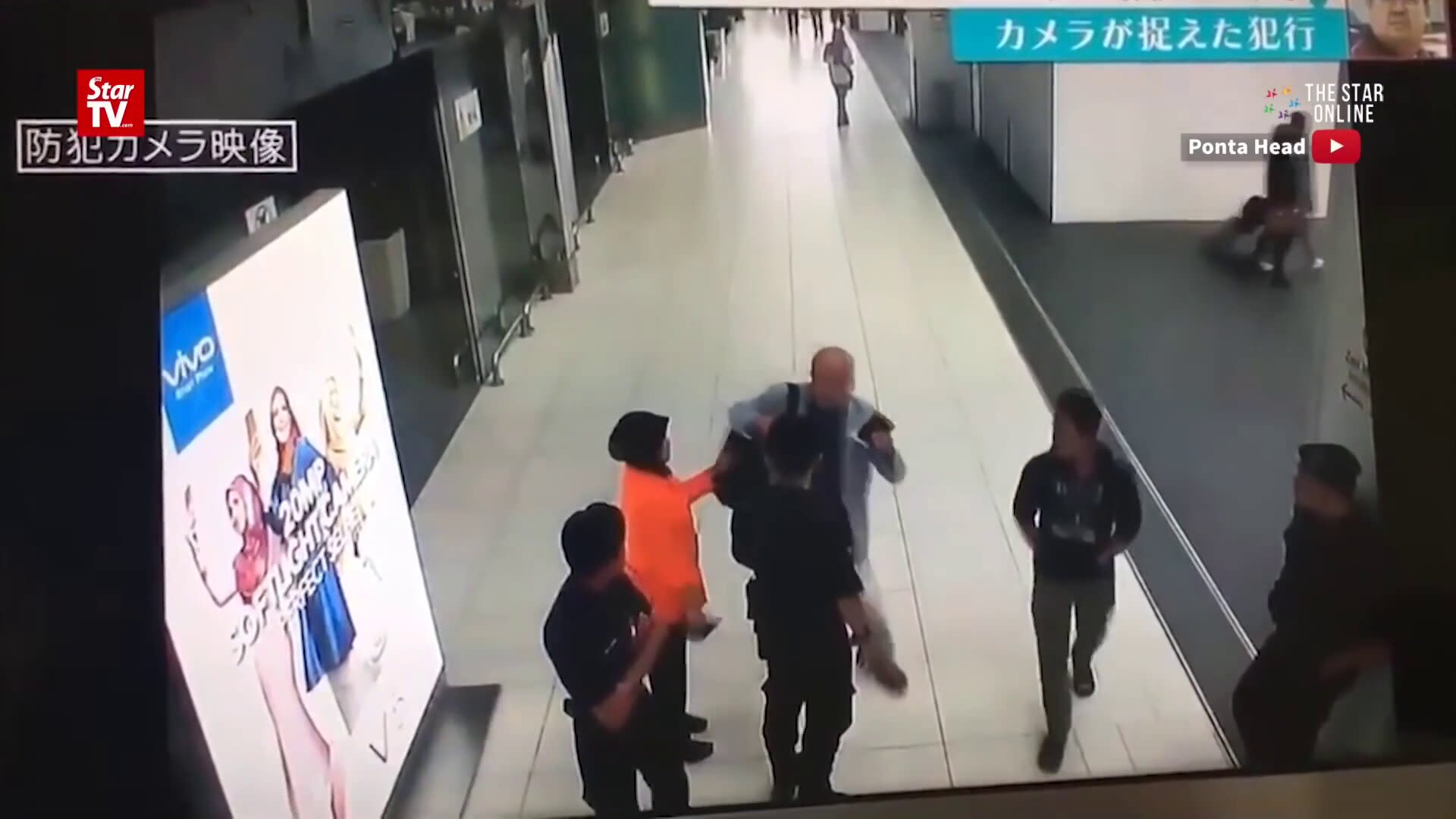
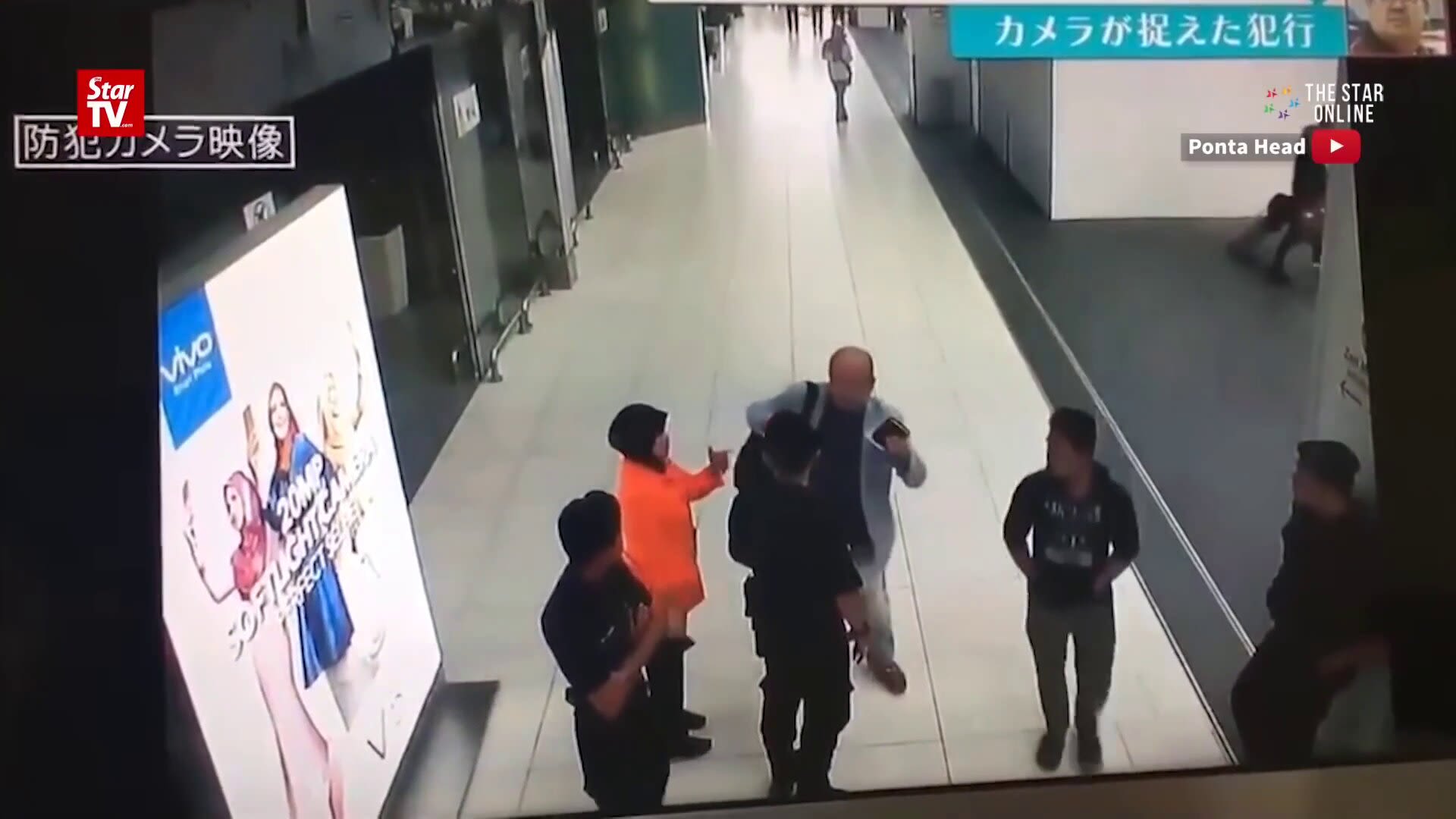
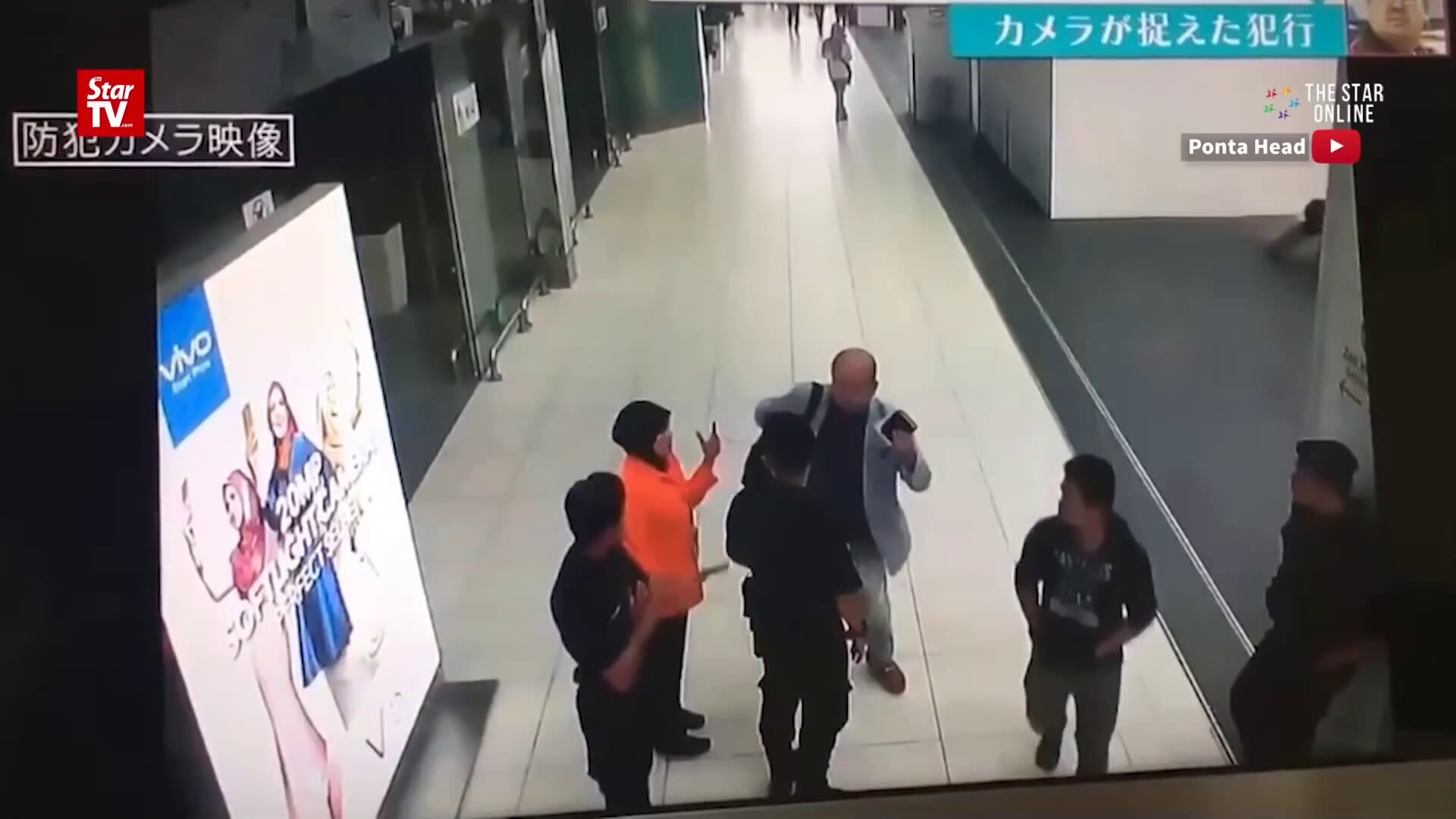
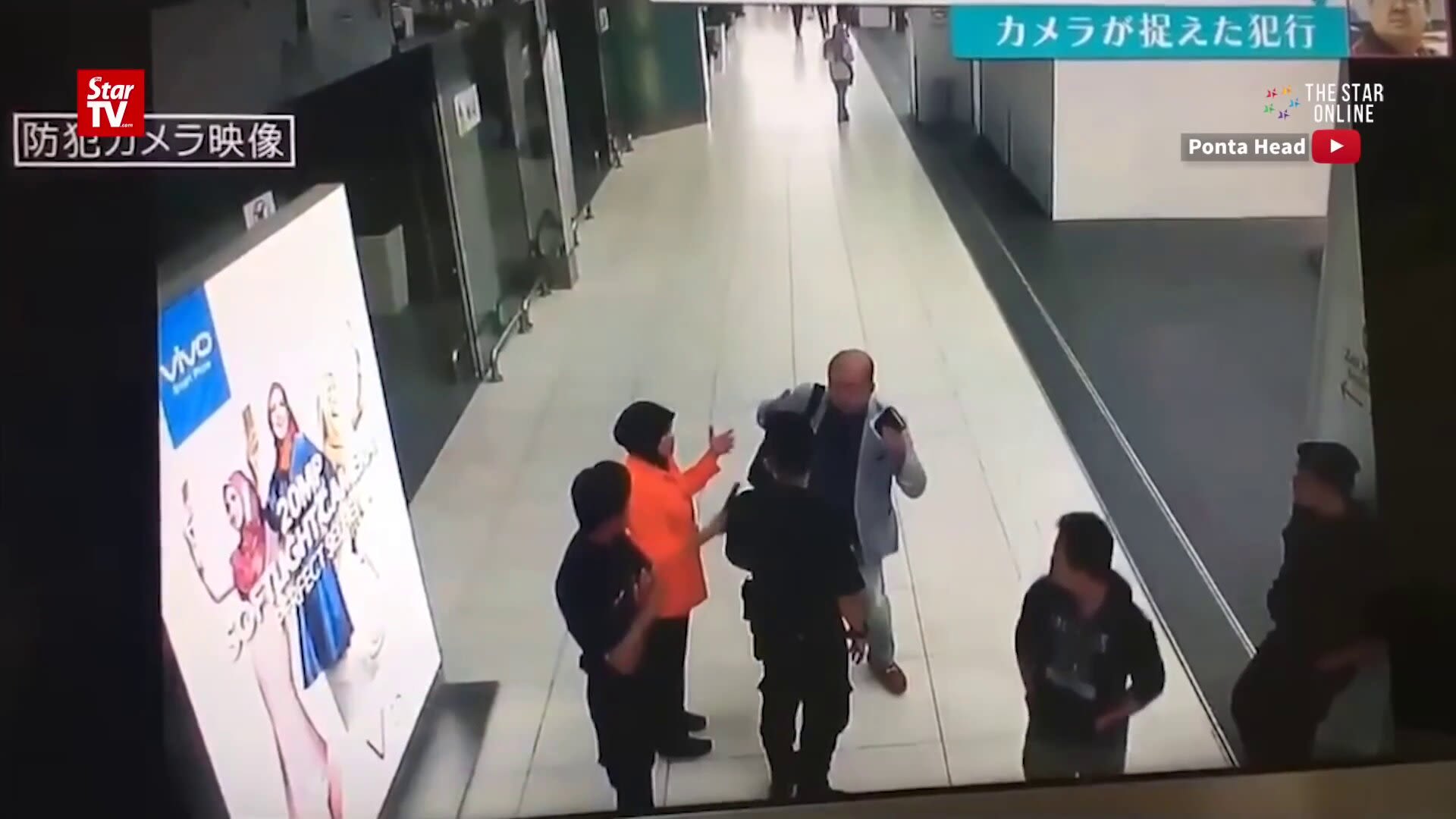
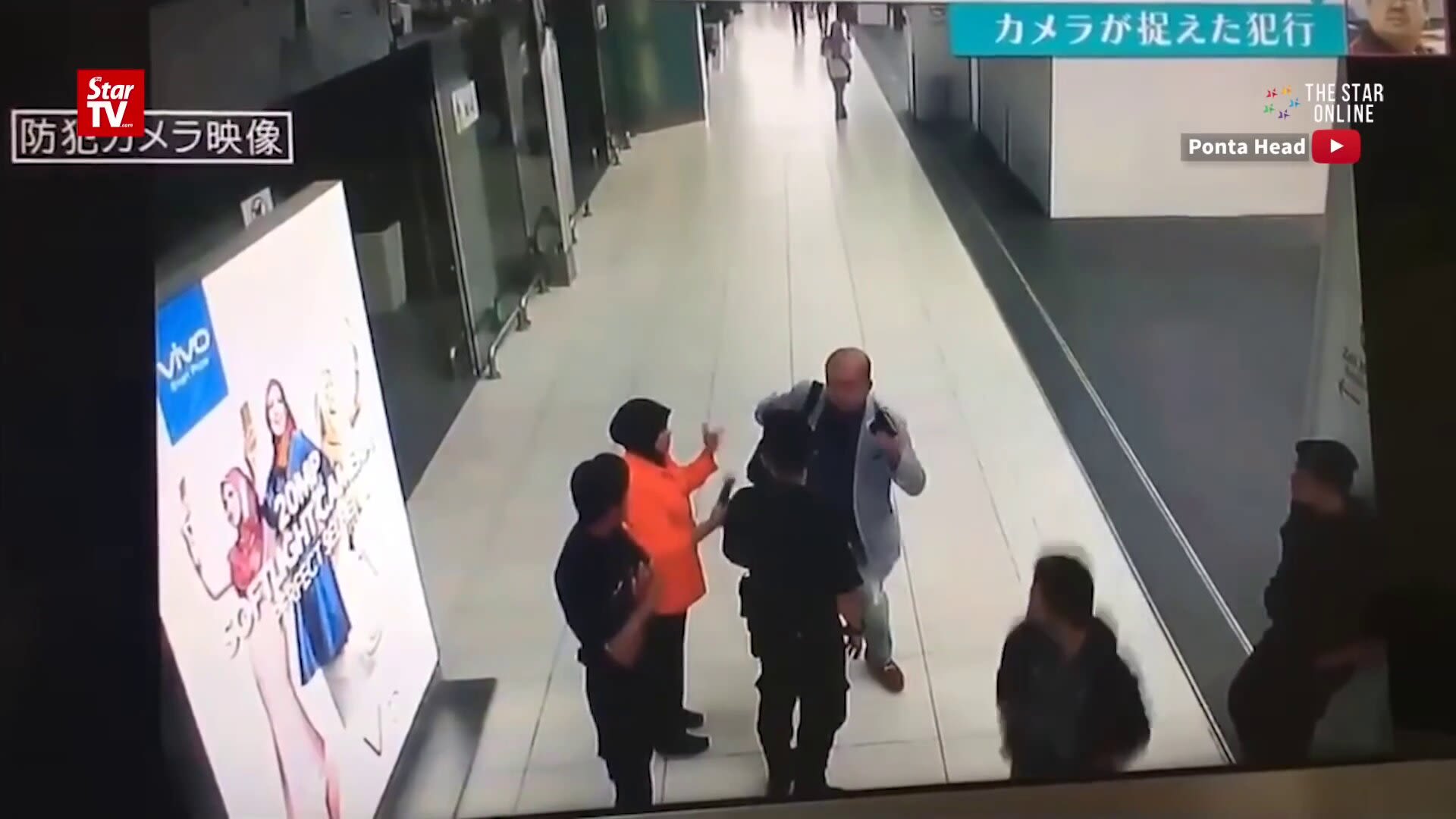
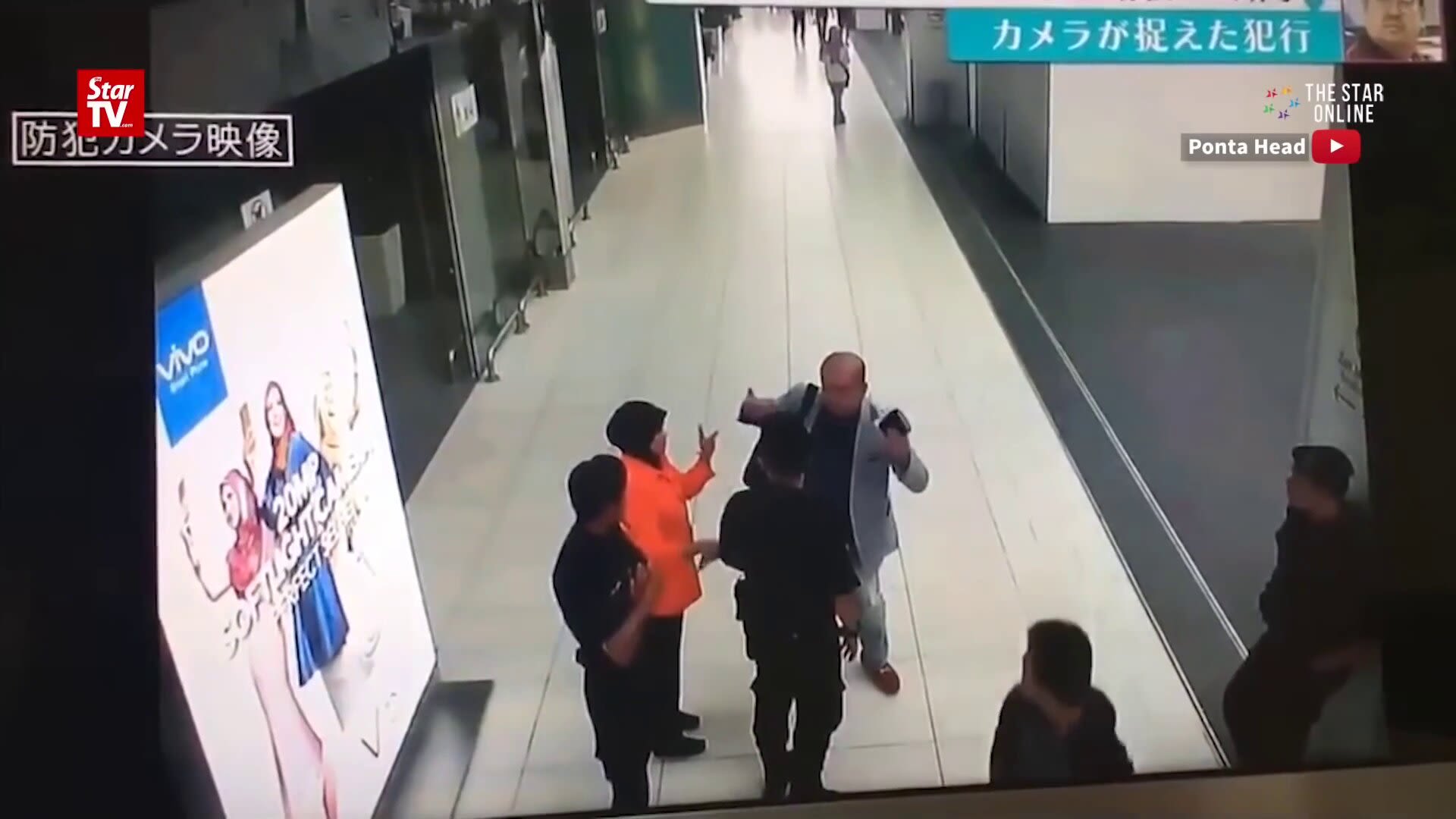
He was at one of the kiosks when suddenly, he felt it - hands on his face.

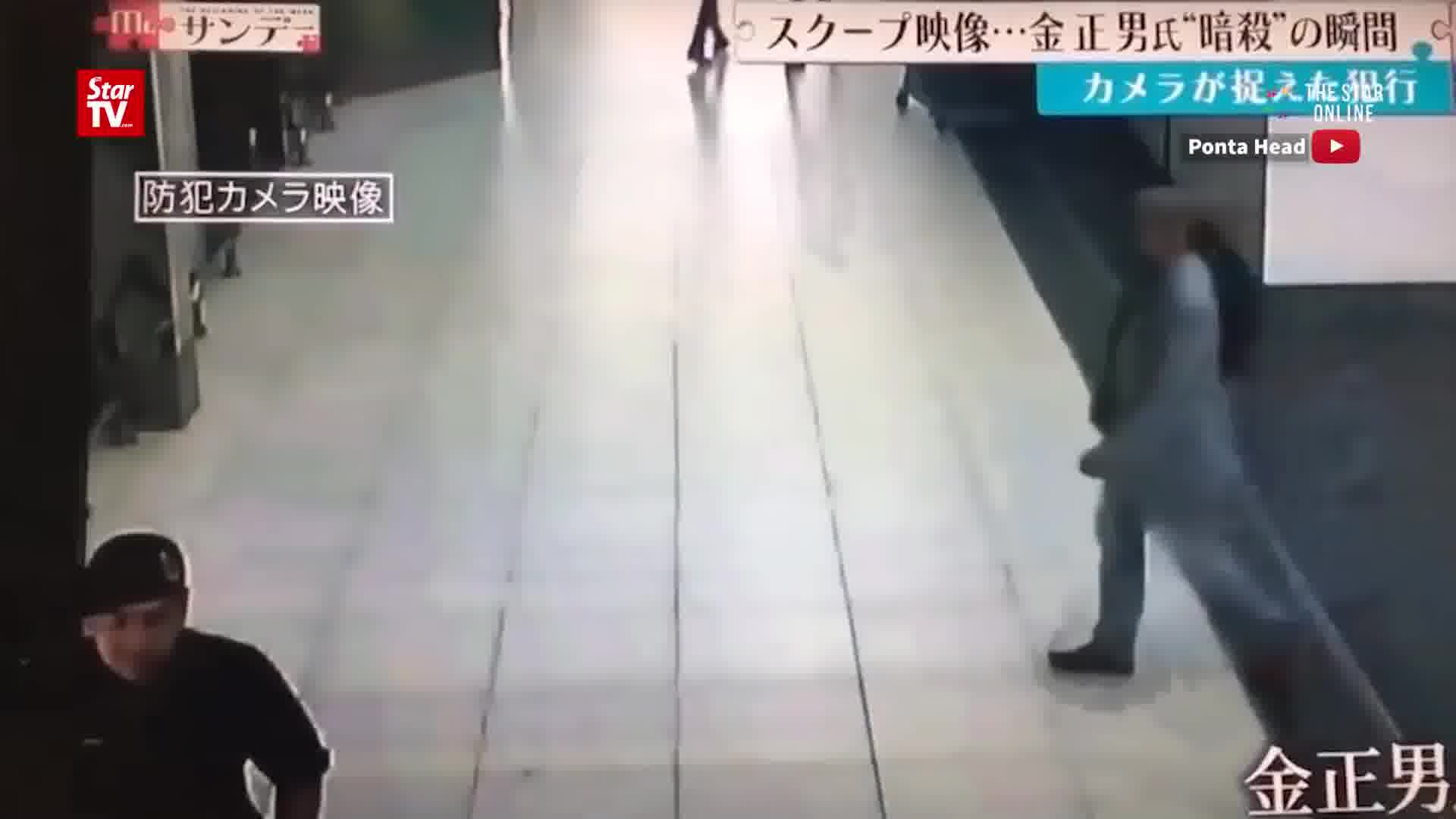
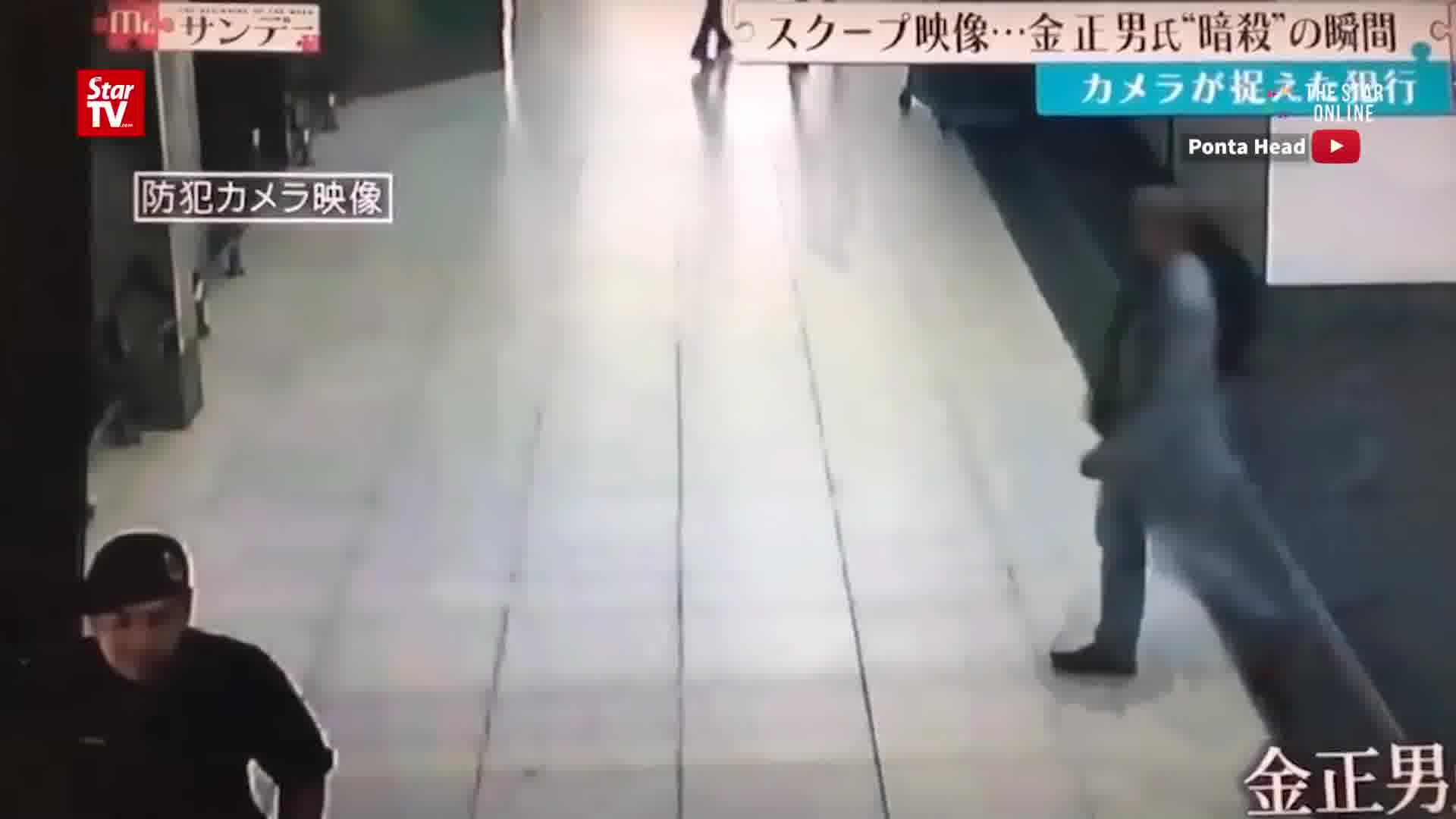
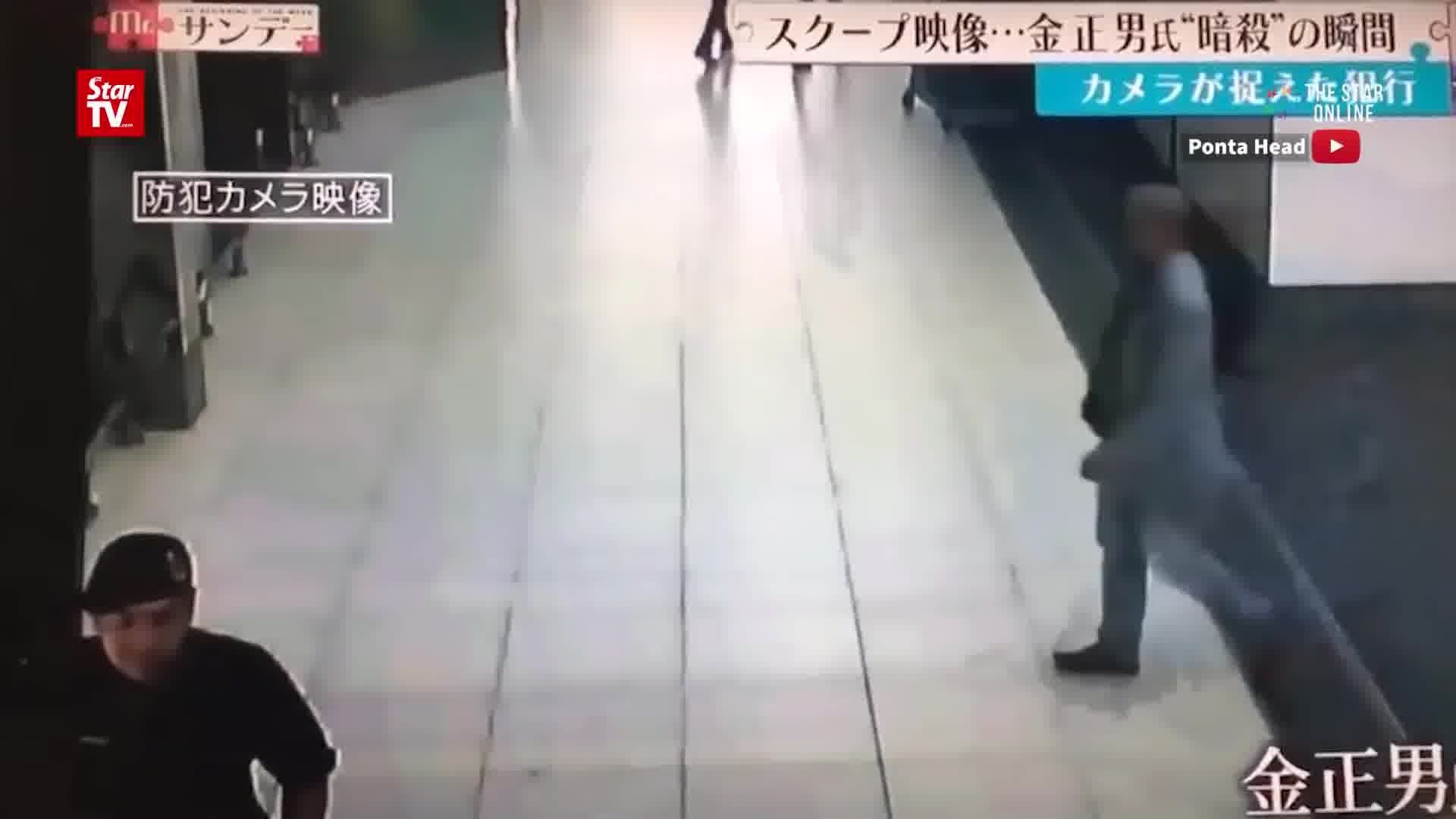

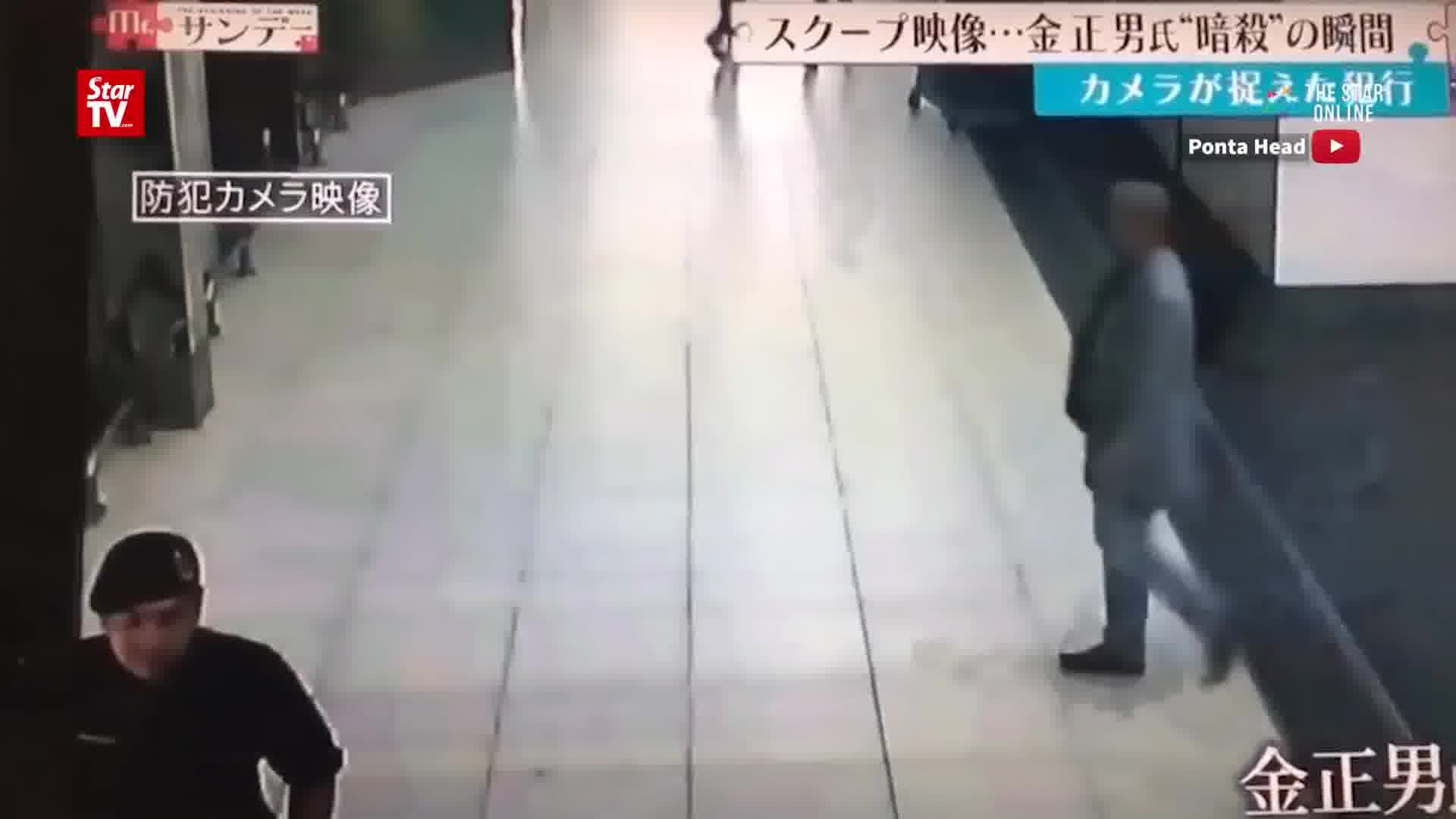

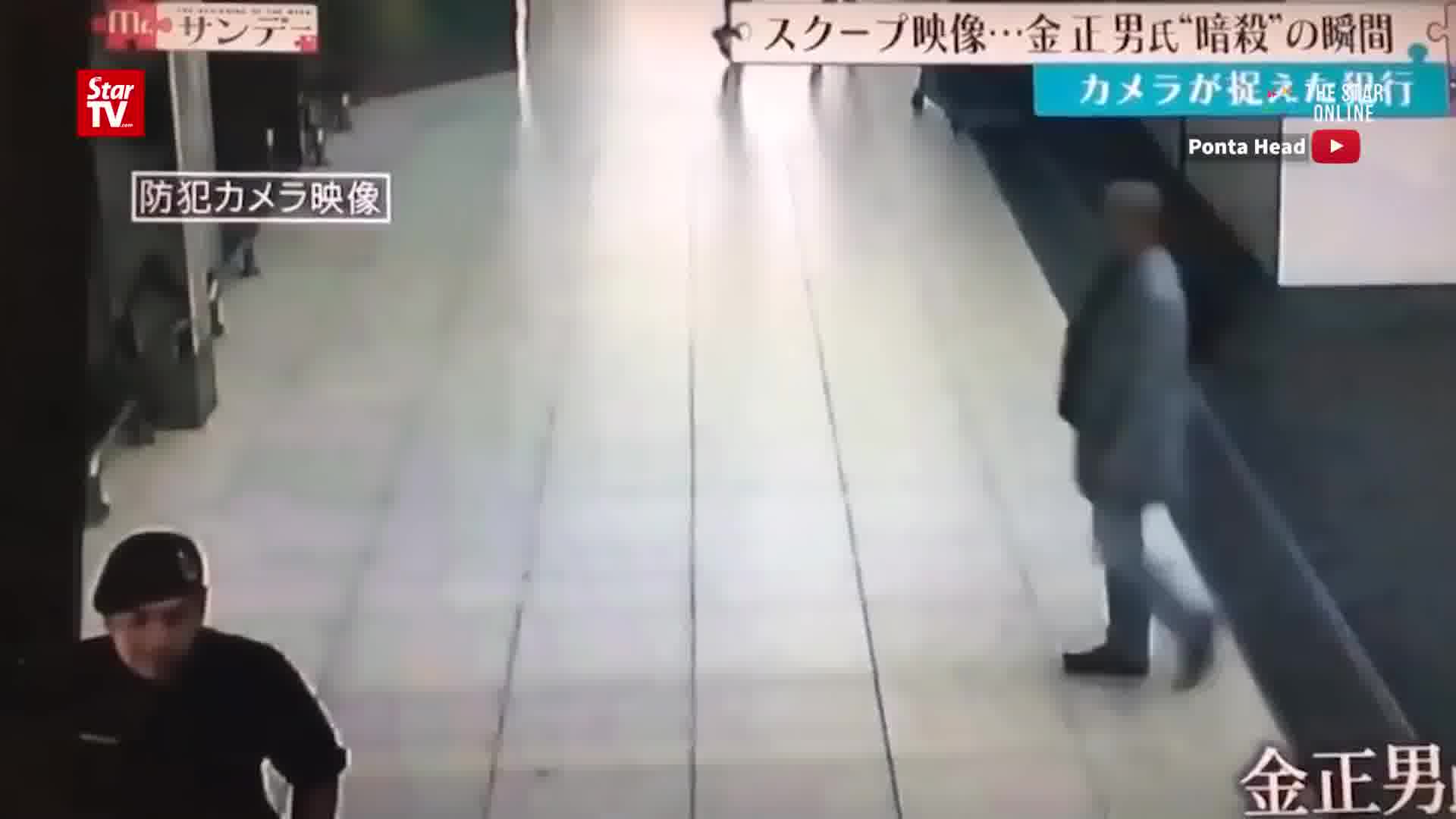
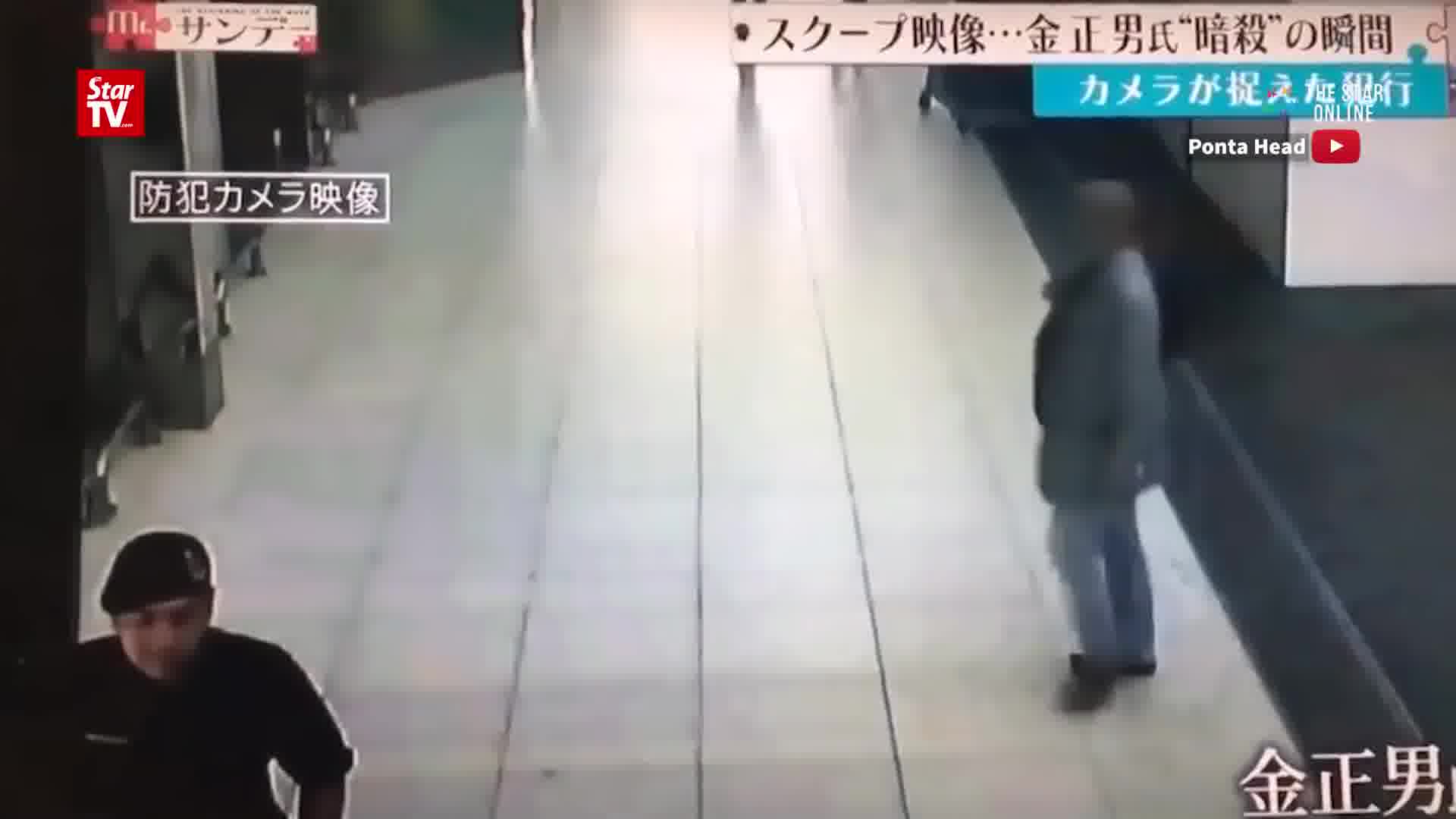

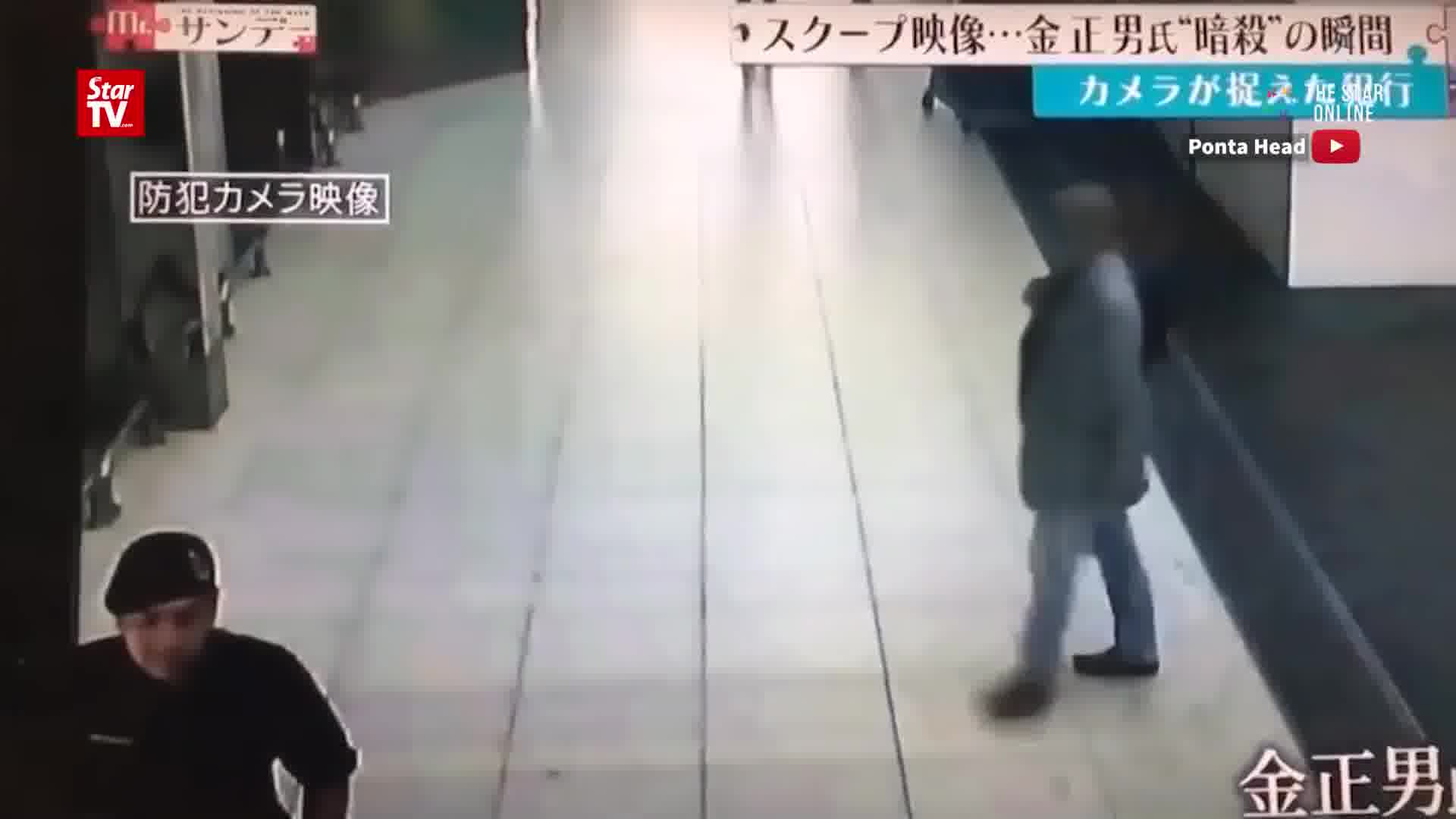

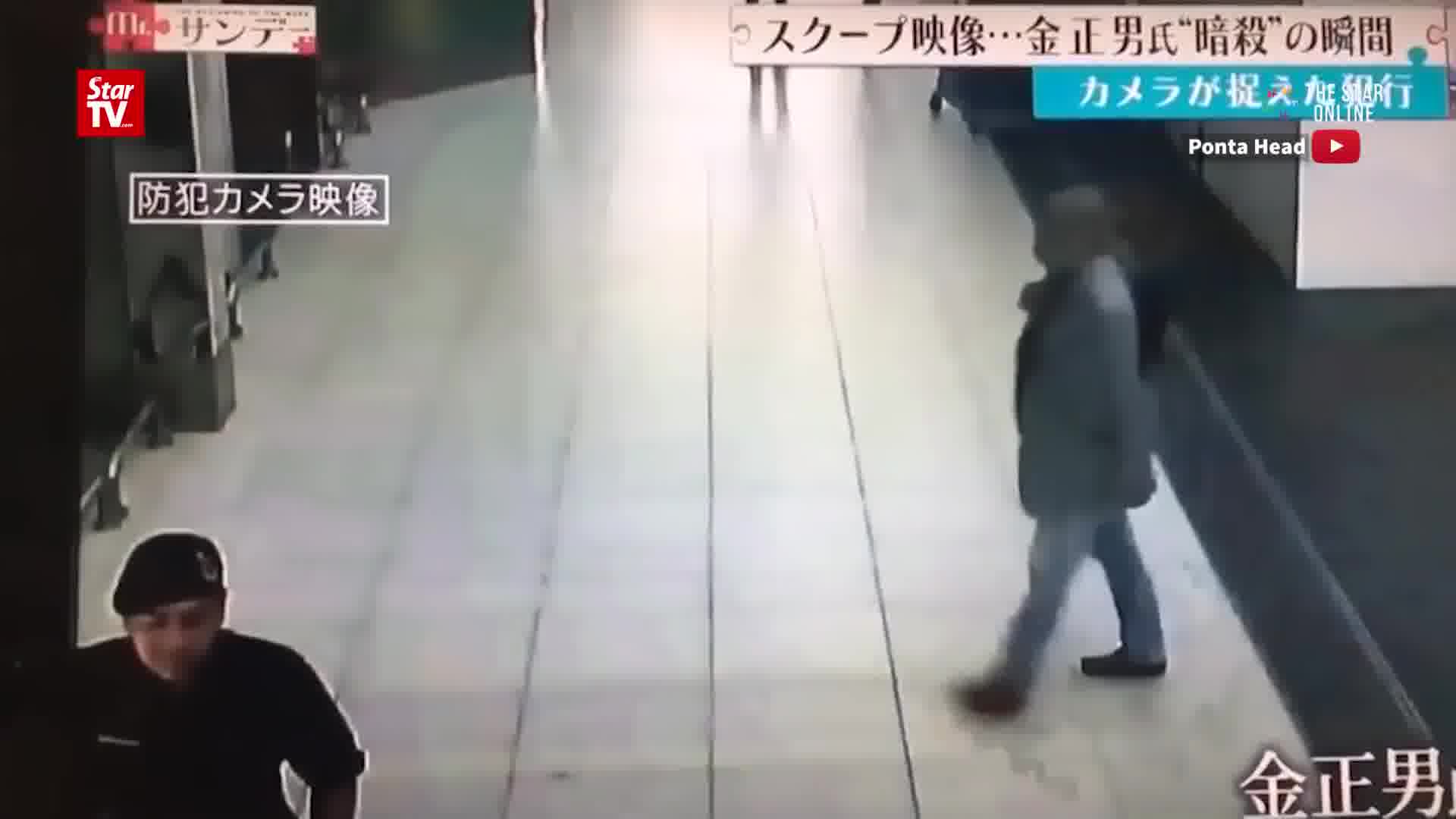

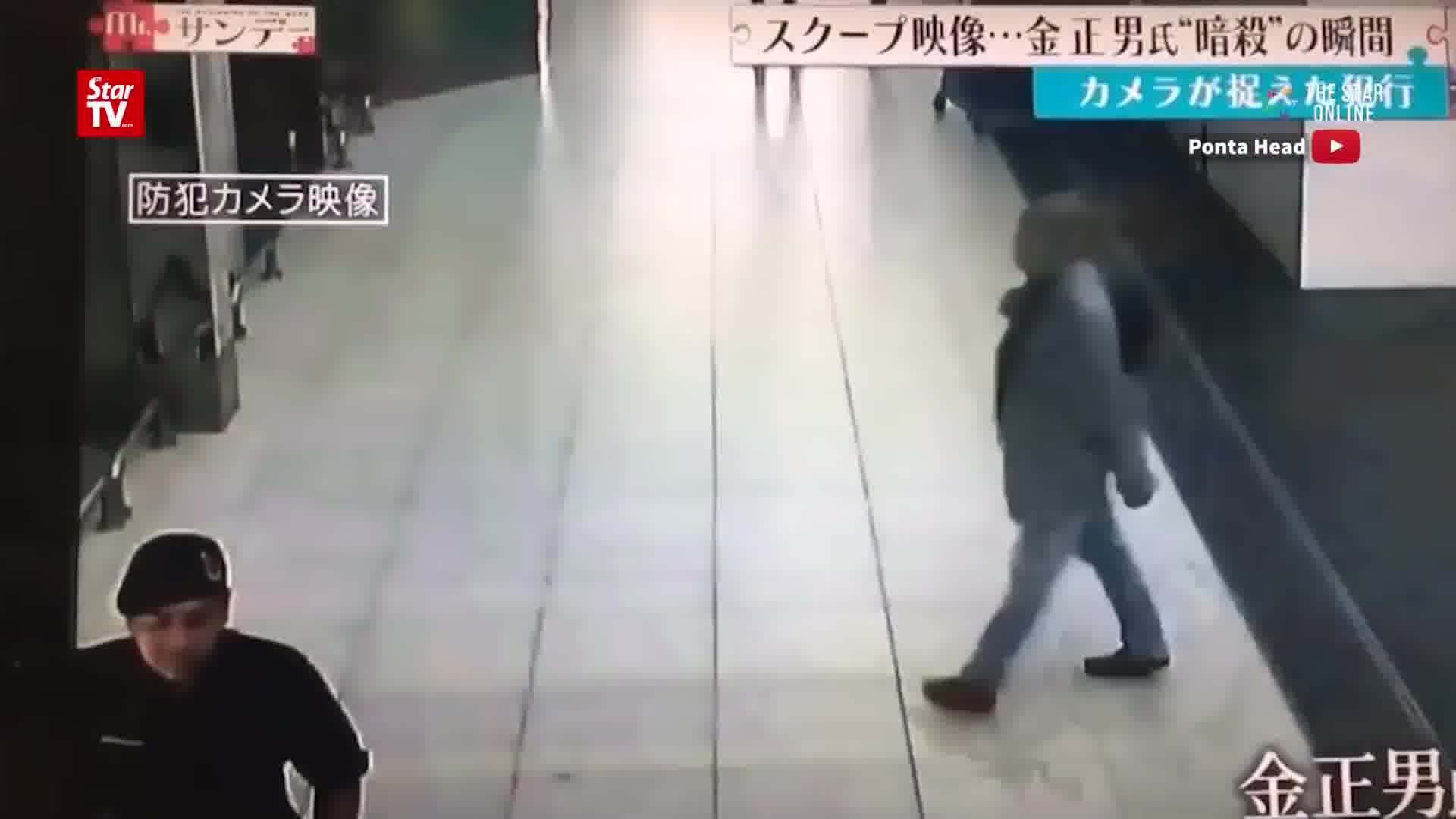
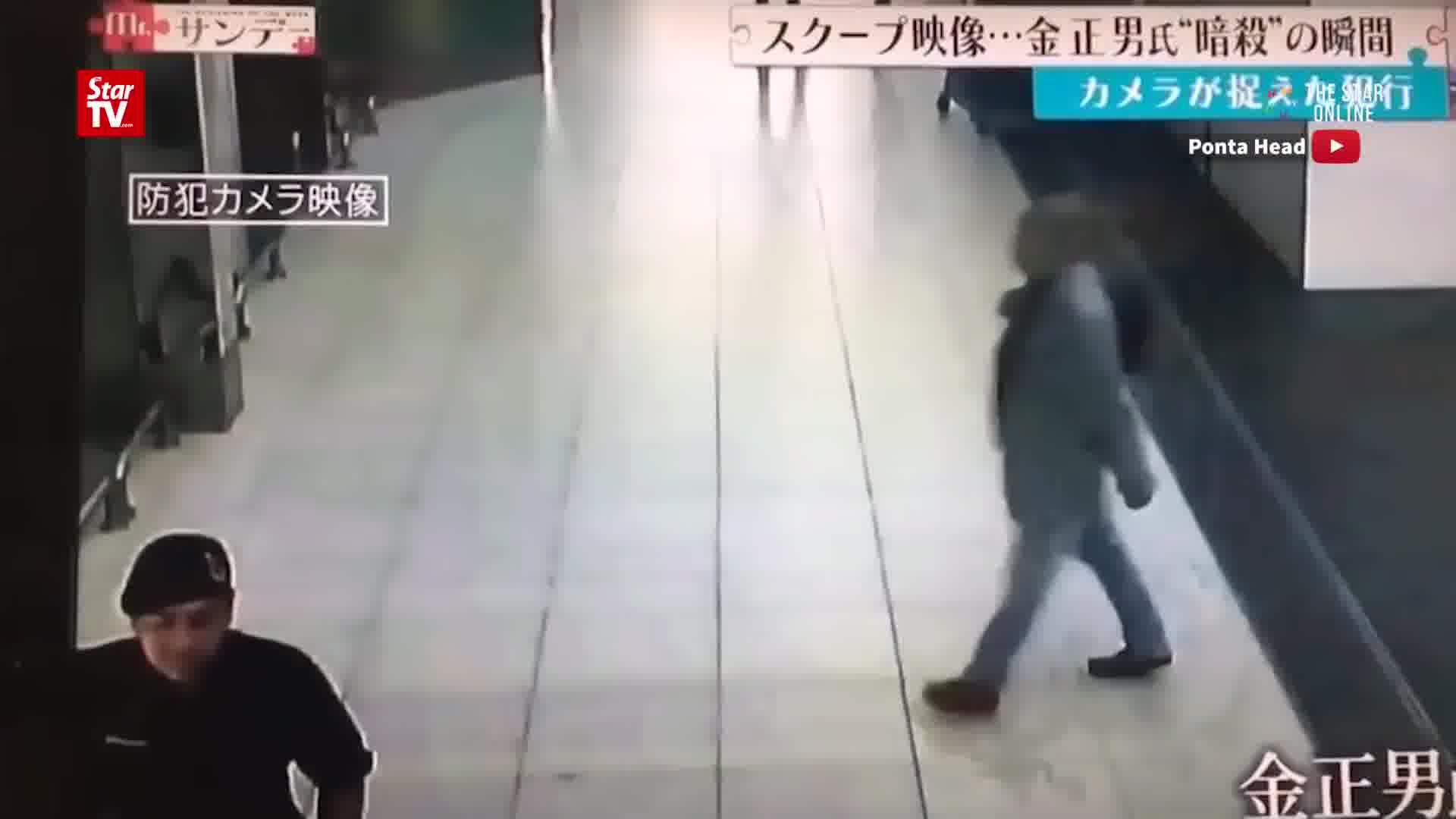
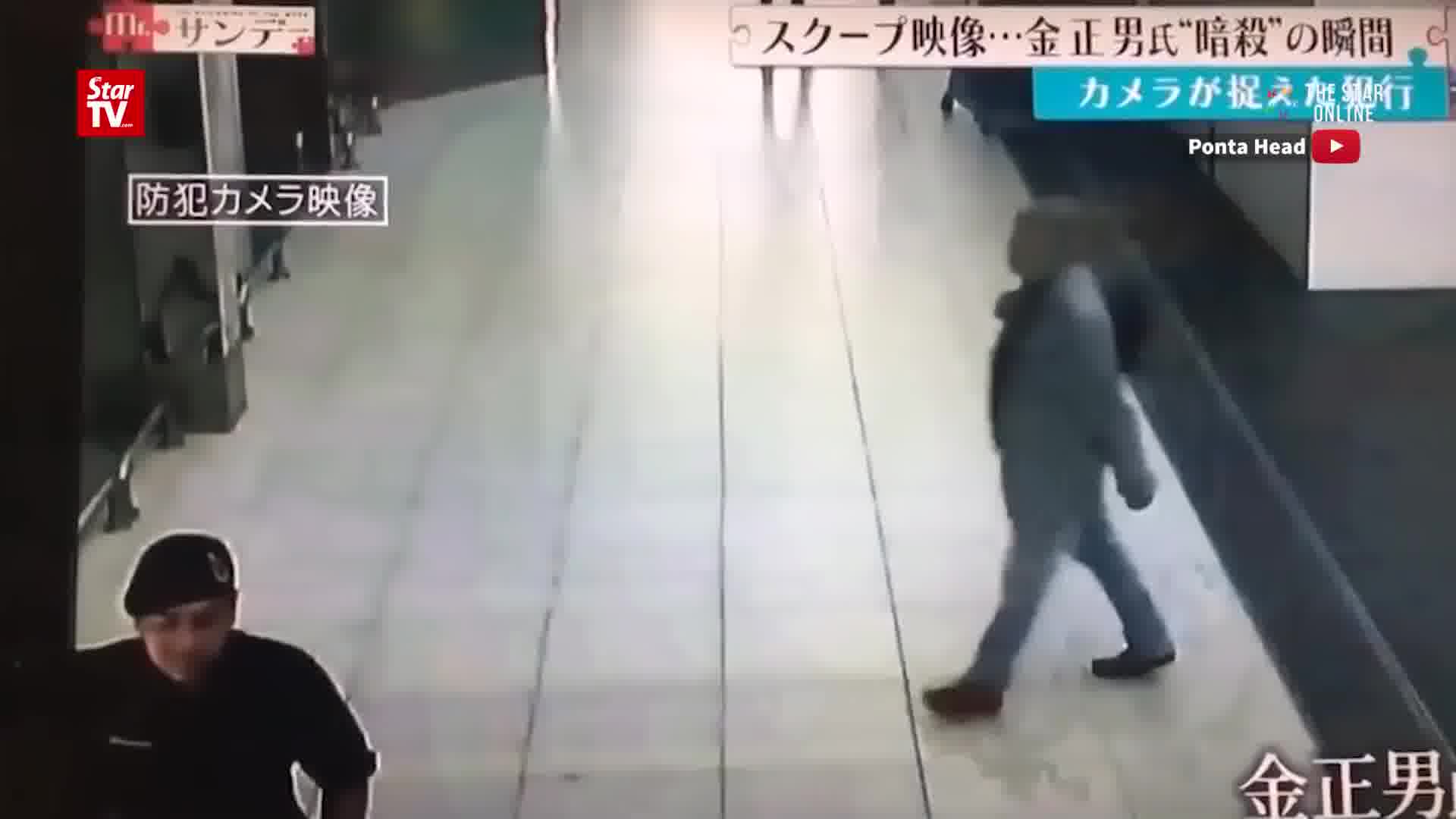
It happened swiftly, and was over in a matter of seconds.
The hands on his face had felt delicate, tiny - the hands of a woman.
The man, known on his passport as Kim Chol, turned around, shocked, catching only glimpses of the two women who had darted away.
Immediately, he was seized with alarm - and fear.

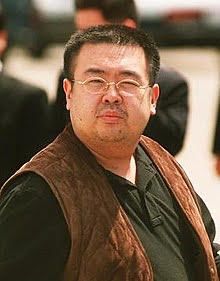
Photo by AFP
Photo by AFP
"Very painful, very painful, I was sprayed liquid."
Quickly gathering up his things, he made his way to the airport staff stationed near the information counter for help, and explained that someone had smeared liquid on his face.
A female staff member led him to a group of police officers, then to a medical facility nearby.
At that time, he was still normal, walking urgently but without seemingly the worse for wear from his encounter.
But at the medical clinic, things got worse.
Kim was sweating profusely, even though it was quite cold with the air-conditioning in the airport, and there was a tightness in his chest.
Taking off his jacket, he sat down.
"Very painful, very painful, I was sprayed liquid," he said, groaning.
Within minutes, he was slumped unconscious in the chair.








THE news trickled in slowly - probably because not many people believed it at first.
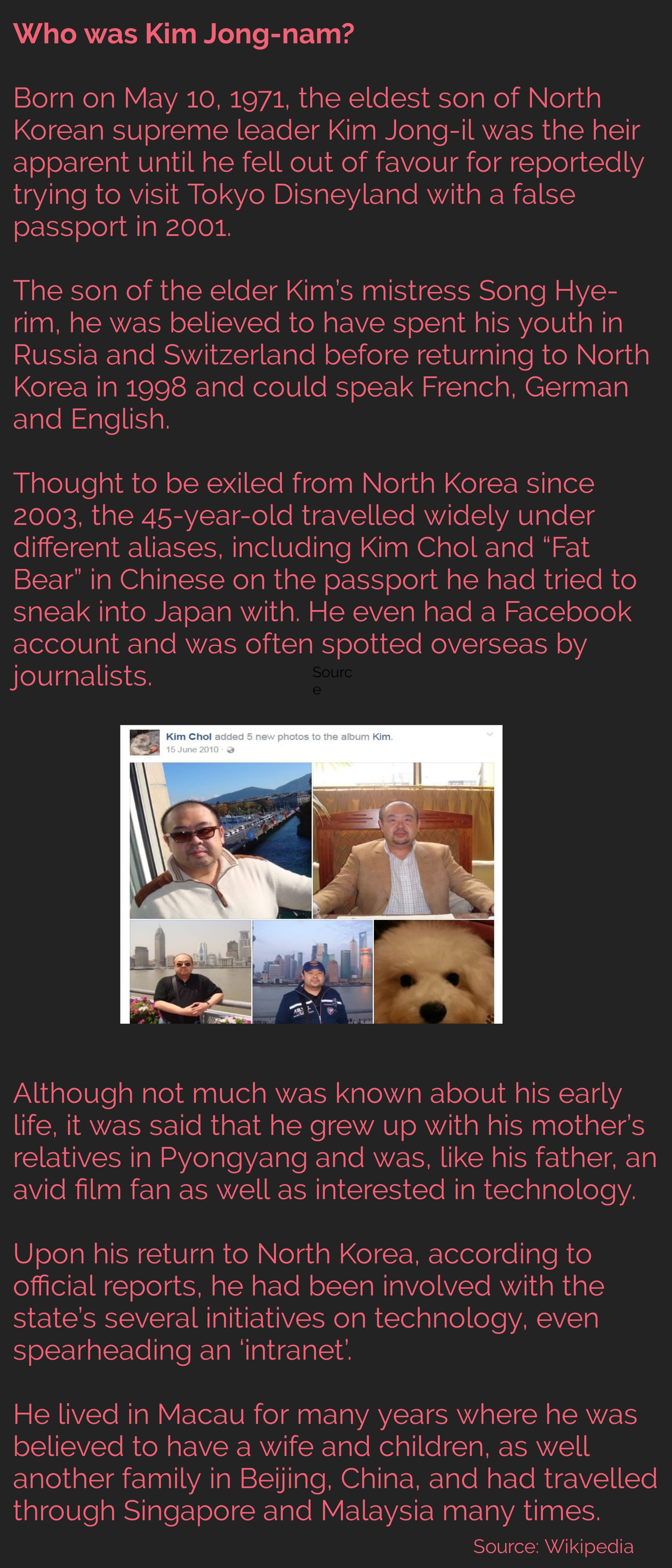
Kim Jong-nam, the eldest son of North Korean leader Kim Jong-il and once heir apparent, and estranged half-brother to current supreme leader Kim Jong-un, probably never expected that Feb 13, 2017, would be the day he drew his last breath.
For many years, the 45-year-old had stayed out of trouble - and stayed alive - by being out of North Korea.
This time, he was caught.
His assassination on Malaysian soil seemed surreal and was initially met with scepticism by many, including journalists and editors.
It was so unbelievable that a day after the incident, a reporter even laughed at his friend when he called to check whether Kim Jong-nam was indeed killed at KLIA2 in Sepang.

A foreign news agency, which usually kept itself busy with events impacting the international community, drew raised eyebrows when it reported on Feb 13 that a man in KLIA2 was dead after complaining that his face had been smeared with liquid.
It was only on the evening of Valentine's Day that information began to firm up slowly.
Both local and international media were about to be caught up in the frenzy.
Already, there were plenty of questions - was it really Kim Jong-nam? What was he doing in Malaysia? Was his death due to sickness or something else more sinister?
KIM Jong-nam died during treatment at the Putrajaya Hospital, where he had been rushed from the airport, some 35km away.
By the evening of Valentine's Day, scores of reporters were camped outside the hospital, talking to anyone who entered or seen leaving the mortuary.
Many had come back on their day off: one even bailed midway out of what should have been romantic dinner.
Official channels were however keeping mum and sources, on whom reporters rely for insider information, were equally quiet.
It was Selangor CID chief Senior Asst Comm Datuk Fadzil Ahmat who finally confirmed that yes, Kim Jong-nam had indeed been killed.
Read more: Police confirm Kim Jong-nam killed at KLIA 2
However, that did not stop the rumour mill from spinning and 48 hours after the news broke, there was still so much uncertainty, particularly when there was no official statement from either the North Korean embassy or the regime in Pyongyang.
Reporters took to camping - even overnight - outside any place of interest deemed relevant to the story - the embassy in Damansara Heights, KLIA2, the police station, and even the mortuary outside the Hospital Kuala Lumpur, where the body was taken for autopsy.

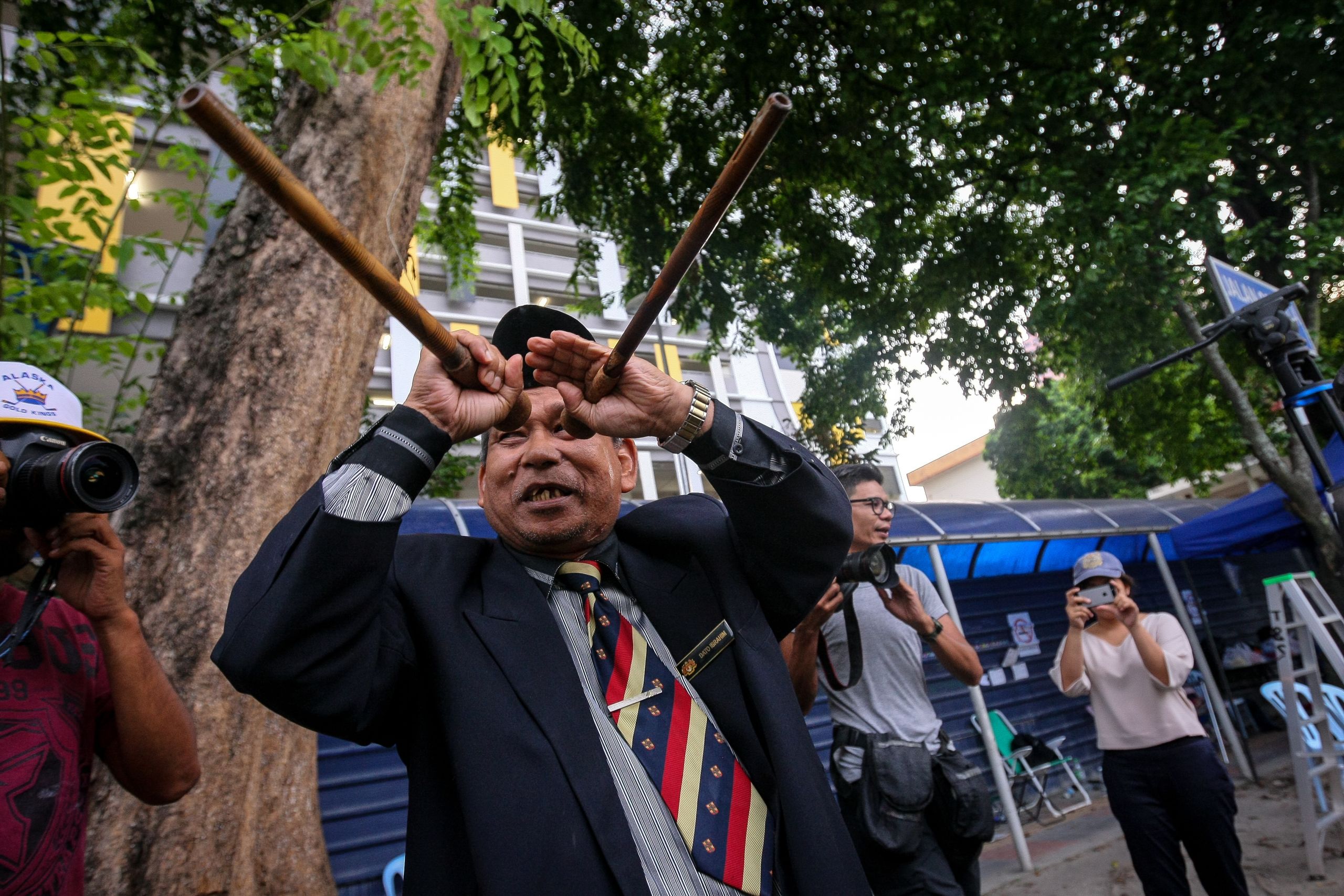
Not all those who waited in front of the Hospital Kuala Lumpur mortuary were journalists; the self-titled Raja Bomoh Datuk Ibrahim Mat Zin showed up on March 13, 2017, to "perform" a ritual to smoothen the process of identifying and claiming Kim Jong-nam's body.
Not all those who waited in front of the Hospital Kuala Lumpur mortuary were journalists; the self-titled Raja Bomoh Datuk Ibrahim Mat Zin showed up on March 13, 2017, to "perform" a ritual to smoothen the process of identifying and claiming Kim Jong-nam's body.
One of the biggest stories of the decade was unfolding - one of political intrigue and high stakes assassination, long thought confined to the pages of a novel or the Cold War, which officially ended in the 1990s.
The media began zeroing in on anything remotely related to Kim Jong-nam - his half brother, his family, conspiracy theories, and even to the small community of North Koreans working in a restaurant in Kuala Lumpur.
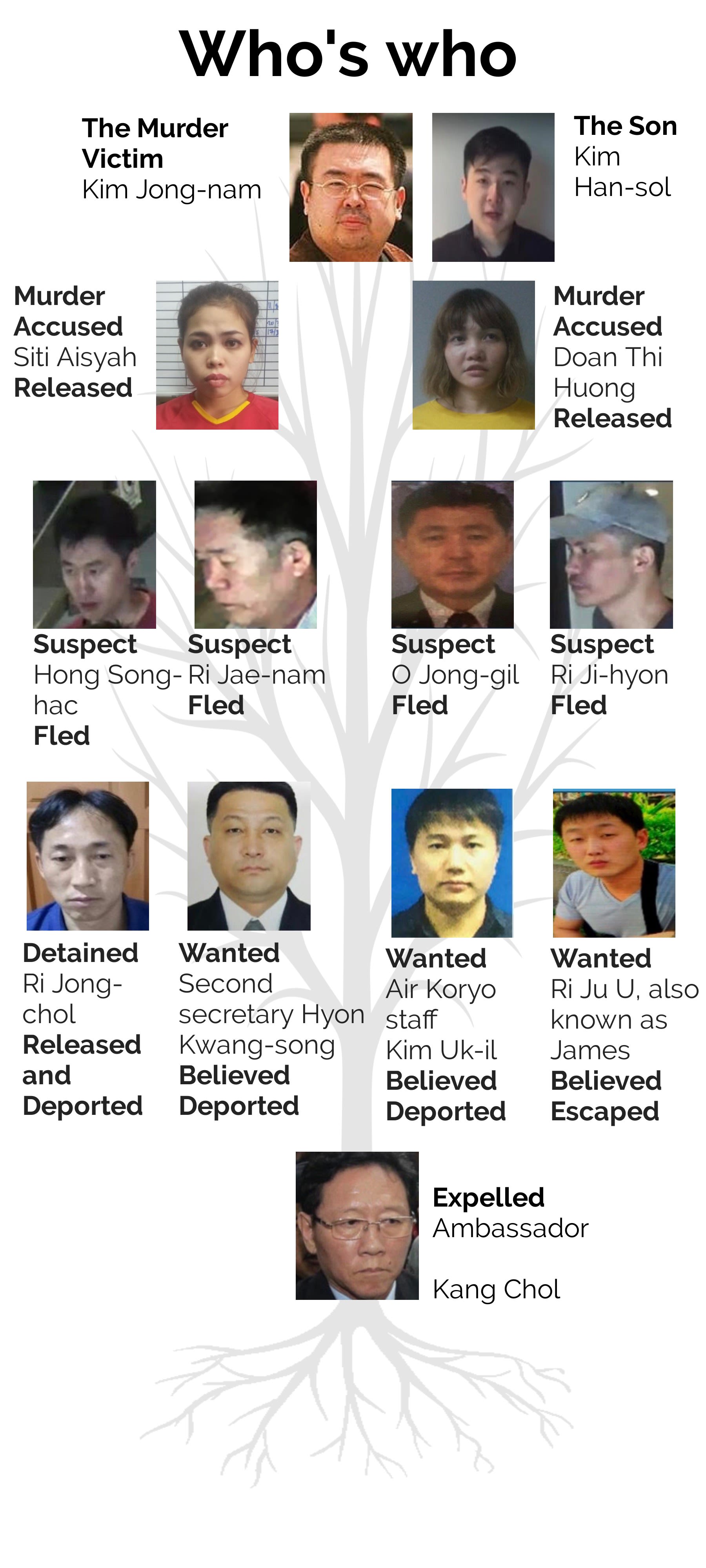
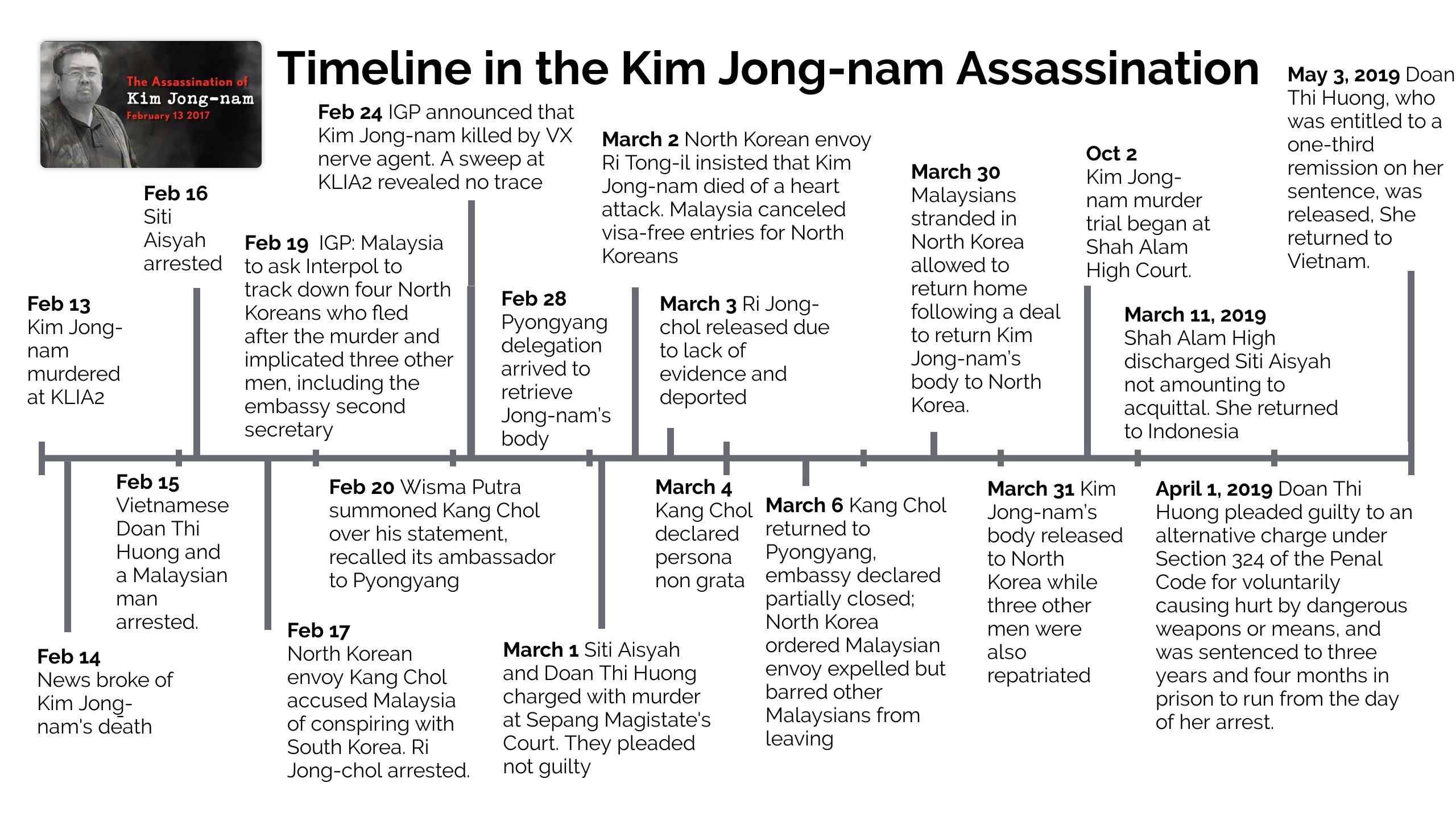
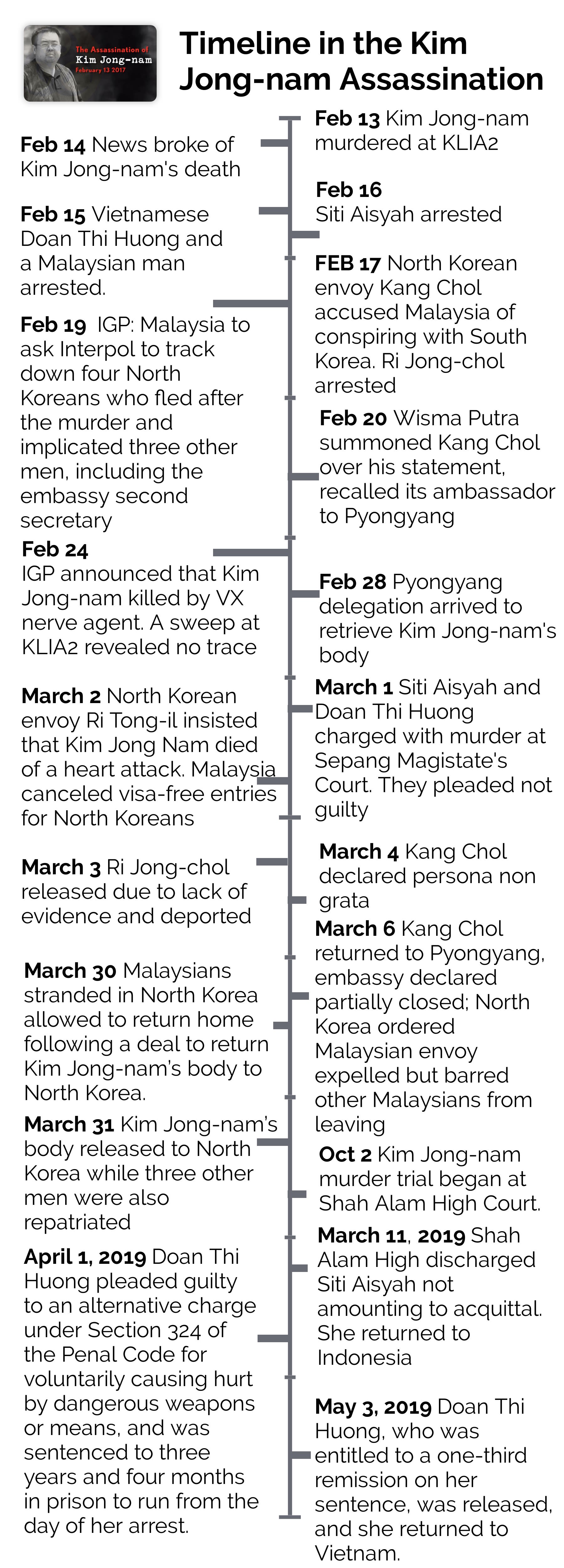
Then, two days after the murder, Malaysian police announced the arrest of Vietnamese Doan Thi Huong, 29 (made infamous by the "LOL" t-shirt she was caught wearing on CCTV while waiting at the KLIA2 taxi stand), followed swiftly by the detention of Indonesian Siti Aisyah, 25, the next day.

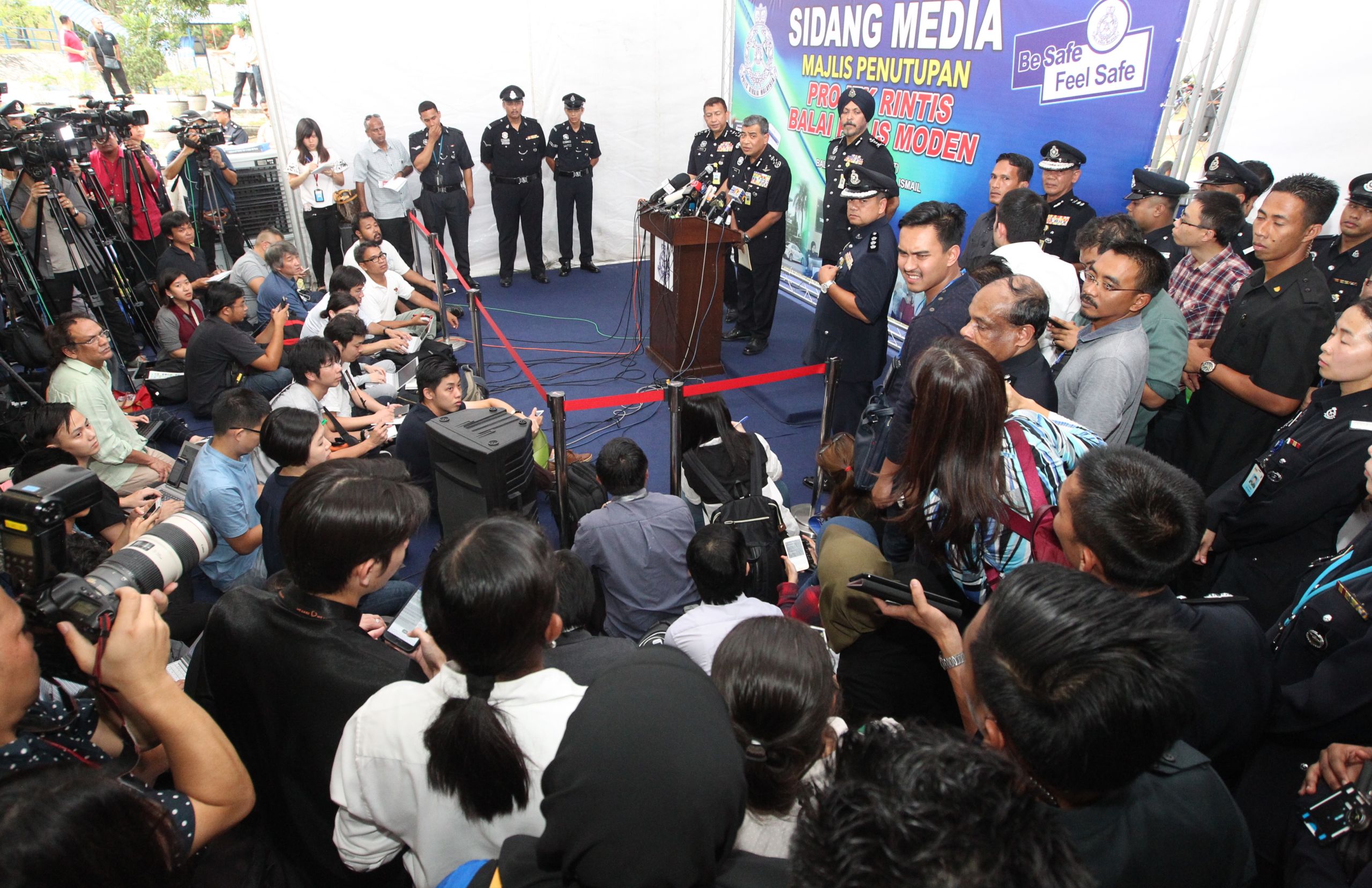
Then Inspector-General of Police Tan Sri Khalid Abu Bakar briefing journalists on the Kim Jong-nam murder investigation at a press conference on March 10, 2017. Photo taken by Norafifi Ehsan.
Then Inspector-General of Police Tan Sri Khalid Abu Bakar briefing journalists on the Kim Jong-nam murder investigation at a press conference on March 10, 2017. Photo taken by Norafifi Ehsan.
Watch the entire press conference here.
The two women had been caught on CCTV - footage of which made itself into Japan's Fuji Television and subsequently, to publishers around the world - wiping a piece of cloth on Kim Jong-nam's face.
Two men were also arrested - Siti Aisyah's boyfriend, a Malaysian, and a North Korean, Ri Jong-chol, a chemist.
Ri was later released to the lack of evidence, and deported.
Khalid revealed that authorities had identified and obtained an Interpol red notice against four other North Korean suspects who fled the country on the day of the assassination to Jakarta, Indonesia: Rhi Ji-hyon, 33, Hong Song-hac, 34, O Jong-gil, 55 and Ri Jae-nam, 57.
More importantly, he called for the embassy's second secretary Hyon Kwang-song, 44, as among the three men to come forward to help in police investigations.
Not surprisingly, Hyon never did.
At that time, although it was surely poison that must have killed Kim Jong-nam, nobody actually knew what kind.
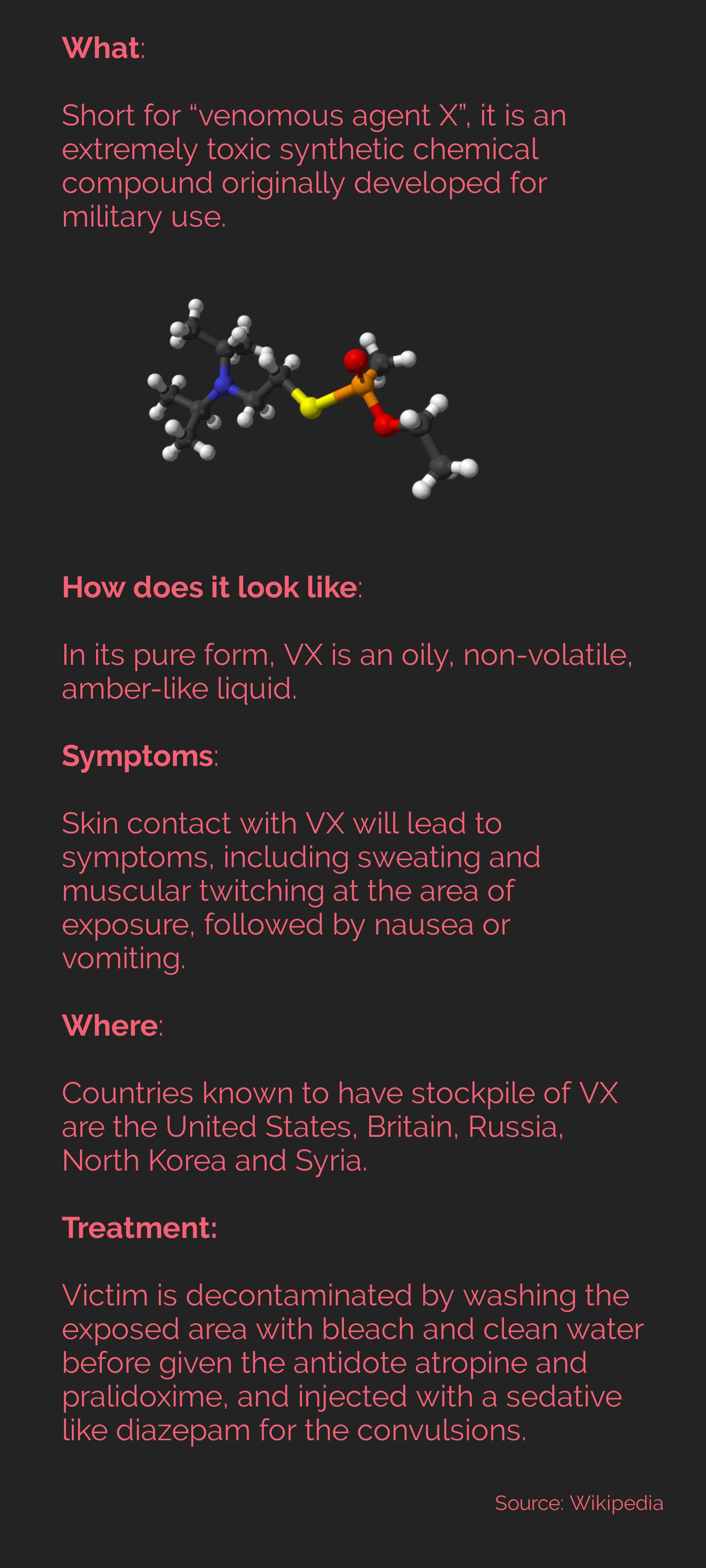
On Feb 24, Khalid finally released a statement, which he followed up with a later press conference, saying that Kim Jong-nam had been killed by the VX nerve agent, a chemical "weapon of mass destruction" banned by the United Nations in 1993.
Inspector-General of Police Tan Sri Khalid Abu Bakar at a press conference to confirm an earlier statement on the VX nerve agent used to murder Kim Jong Nam.
Read more: One suspect in Kim Jong Nam murder suffered effects of VX agent - police chief

Thirteen days after Kim Jong-nam's murder, word got out that personnel from the police, the Atomic Energy Licensing Board (AELB), and the Fire and Rescue Department would be combing through the scene of his attack in KLIA2.
On Feb 26, Bukit Aman issued a statement on a joint operation that night to trace the presence of the toxic chemical, which could kill in minutes, at the airport.
At about 11pm, Malaysia Airports Holdings Bhd (MAHB) staff and police began cordoning off parts of the departure hall with police tape.
Read more: Hazmat team at KLIA2
The quarantined area was gradually extended to parts of the arrival hall and even to a nearby mall on Level 2.
By midnight, as the number of travellers dwindled, large swaths of the airport were blocked off.
Along with the above personnel, decked out in full protective gear, reporters, photographers and cameramen descended on the airport, where they were to stay until the wee hours of the morning.
The over one-hour operation saw the departure hall, two toilets and the clinic where Kim Jong-nam had sought help, being scanned in a meticulous sweep.
Pictures and footage of that sensational scene landed on the front page and headline news of international media, which was already gripped by the assassination.
At 3am, Selangor Police Chief Comm Datuk Seri Abdul Samah Mat confirmed that no trace of the hazardous chemical had been found in the sweep.
AMIDST the police investigation , there was political fallout between the Malaysian government and the North Korean regime.
One of the few countries in the world still friendly to the North Koreans then - North Koreans did not need a visa to visit Malaysia and Malaysians could visit Pyongyang on organised tours - the clash led to a rare expulsion of its ambassador Kang Chol and at one point, even implicit threats of hostages involving Malaysian diplomatic staff in Pyongyang.
With suspicion naturally falling on the North Koreans, journalists, especially those from South Korea, Japan and Indonesia, already had the embassy in their sights.
But subsequent announcements by the IGP on the North Korean suspects, as well as the implication of the embassy's second secretary in the assassination drama and others still holed up in the embassy compound, stirred up a frenzy.
Many brought their own foldable chairs and giant parasols, and lit mosquito coils to ward off the insects during the daily tedious wait for news breaks.
Pictures of the yellow double-storey bungalow in the affluent neighbourhood, with the lone flag pole in its front yard, hogged the news pages and airtime.
Journalists faithfully and meticulously recorded the minute going-ins and -outs of the embassy staff and their family members, running up to every vehicle that passed through the gates.
Much like the country's nickname - the Hermit Kingdom - however, those hoping for official comments on Kim Jong-nam's death were often met with stoic silence from the embassy staff, except for the occasional rant.

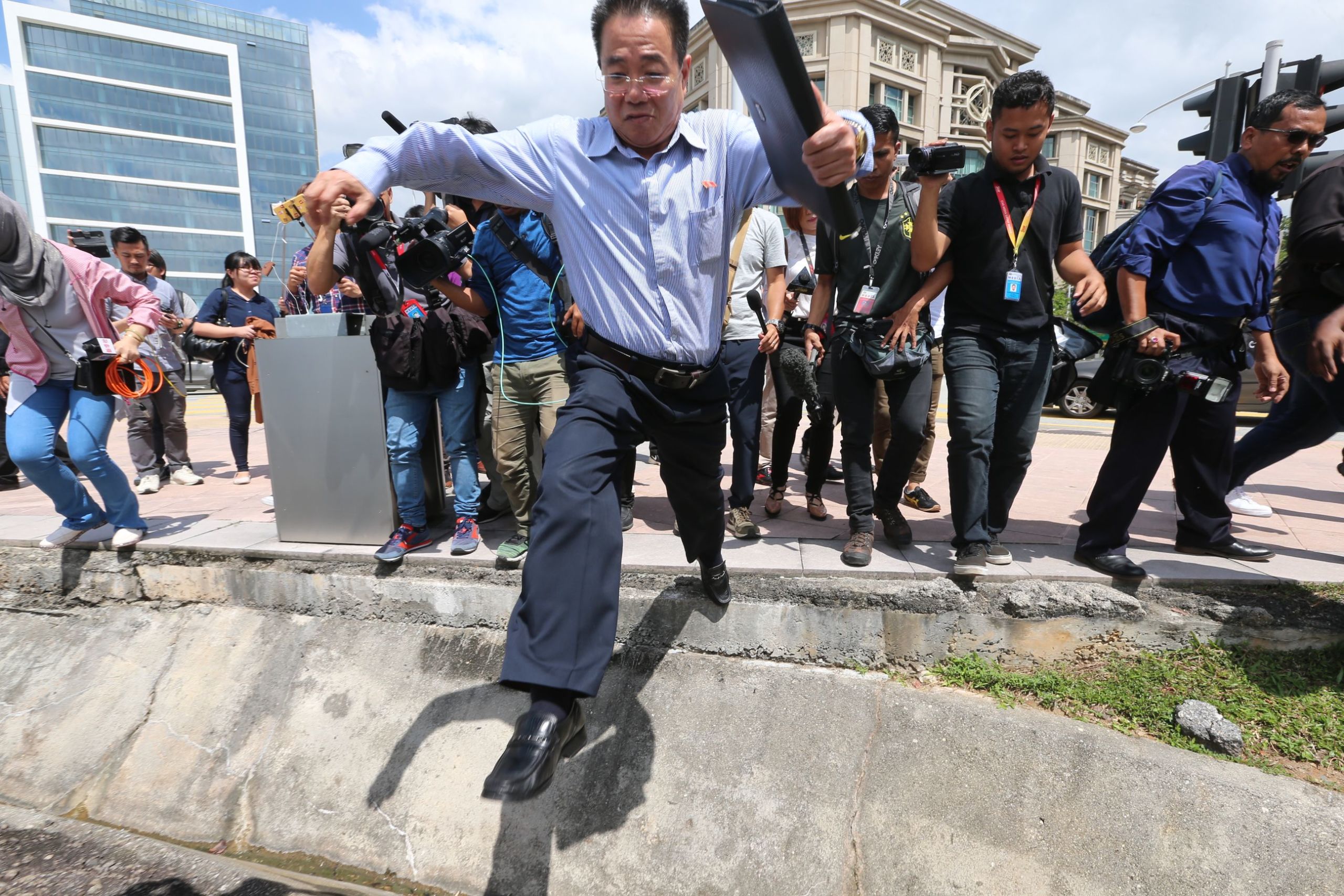
North Korean embassy counsellor Kim Yu-song jumping over a drain to escape from the media at the Immigration headquarters in Putrajaya on March 3, 2017.
North Korean embassy counsellor Kim Yu-song jumping over a drain to escape from the media at the Immigration headquarters in Putrajaya on March 3, 2017.

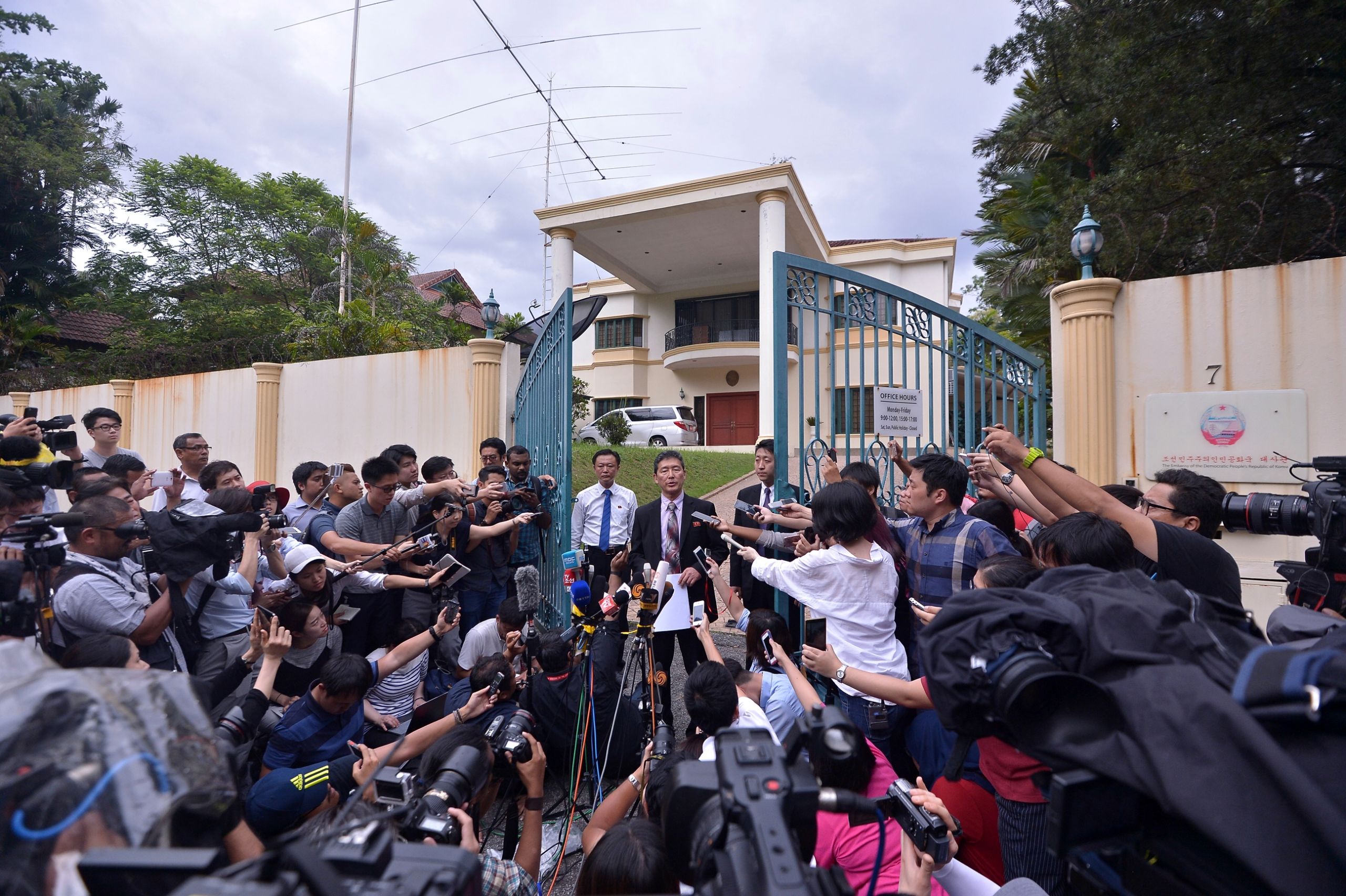
Former North Korean Deputy Ambassador to the United Nations Ri Tong-il addresses journalists outside the North Korean Embassy in Kuala Lumpur on March 2, 2017. - Photo taken by Raja Faisal Hishan
Former North Korean Deputy Ambassador to the United Nations Ri Tong-il addresses journalists outside the North Korean Embassy in Kuala Lumpur on March 2, 2017. - Photo taken by Raja Faisal Hishan
The regime had taken an increasingly harsh tone against Malaysia, demanding the return of Kim Jong-nam's body, claiming that it did not trust Malaysian police's investigation and accusing its host of colluding with South Korea.
After one too many blistering denunciations of the Malaysian government by Kang Chol, Wisma Putra delivered a note to the embassy at around 9.30pm on March 5, declaring him persona non grata and ordering him to leave the country by 6pm the next day.
On March 6, Kang flew back to Pyongyang via Beijing.
Timeline of Kang Chol's expulsion from Malaysia
Read: Defiant to the end, Kang Chol checks in for flight out of Malaysia

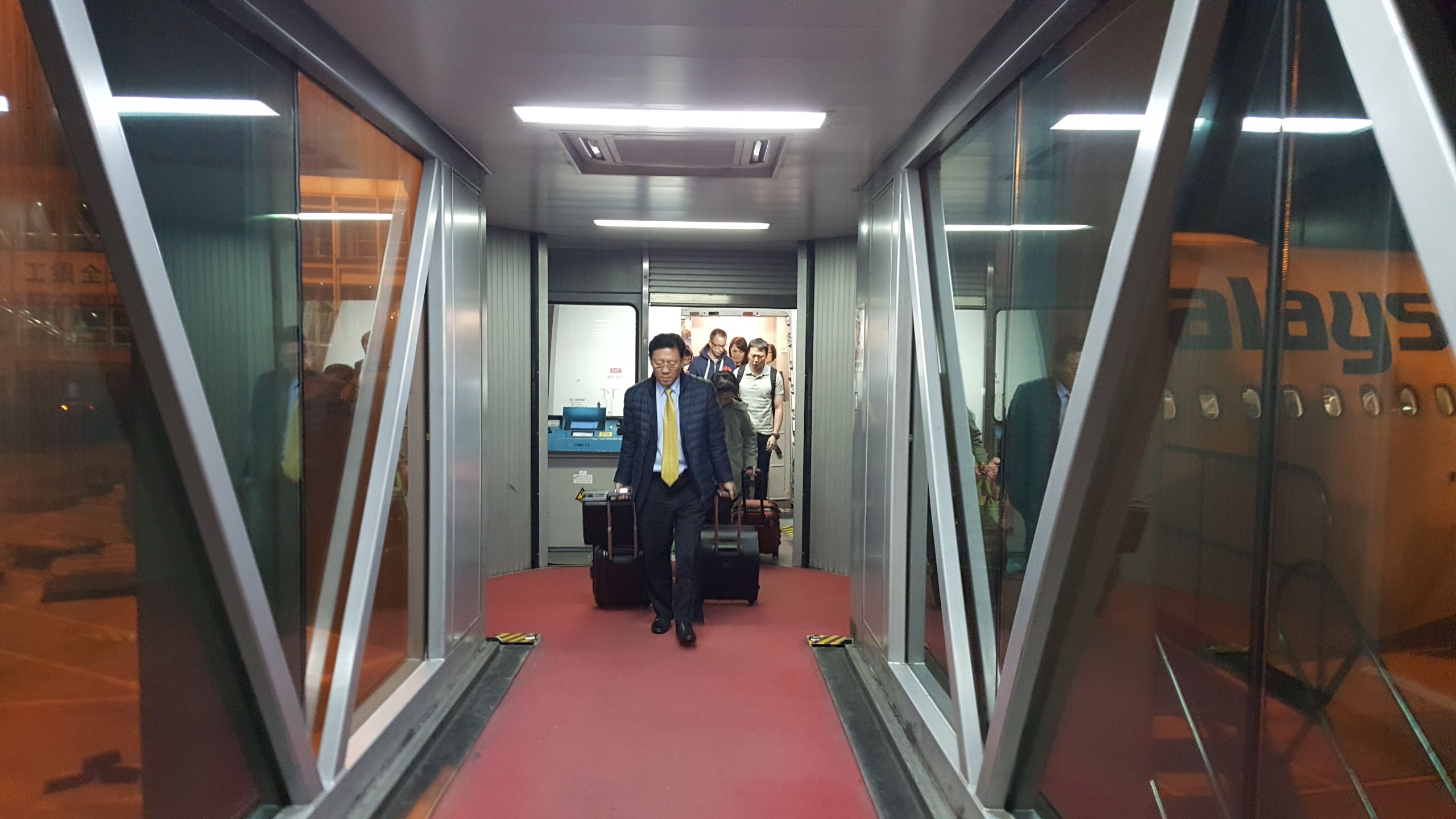
North Korea Ambassador to Malaysia Kang Chol arriving at the Beijing airport on a flight from Kuala Lumpur on March 7, 2017. Photo taken by Tho Xin Yi.
North Korea Ambassador to Malaysia Kang Chol arriving at the Beijing airport on a flight from Kuala Lumpur on March 7, 2017. Photo taken by Tho Xin Yi.
"The statements I've made are an expression of the righteous stand as ambassador of the Democratic Republic of North Korea (DPRK) in this country on the pre-targetted investigation by the Malaysian police."
Immediately, in a tit-for-tat move, North Korea ordered Malaysia's ambassador Mohamad Nizan Mohamad out of Pyongyang within 48 hours but barred other Malaysians from leaving the country at the same time.
Although Mohamad Nizan had already been recalled to Putrajaya since Feb 22 for consultations over Kim Jong-nam's murder, some 11 Malaysians - nine embassy staff and two others working for an international aid agency - were believed to have still been in North Korea then.

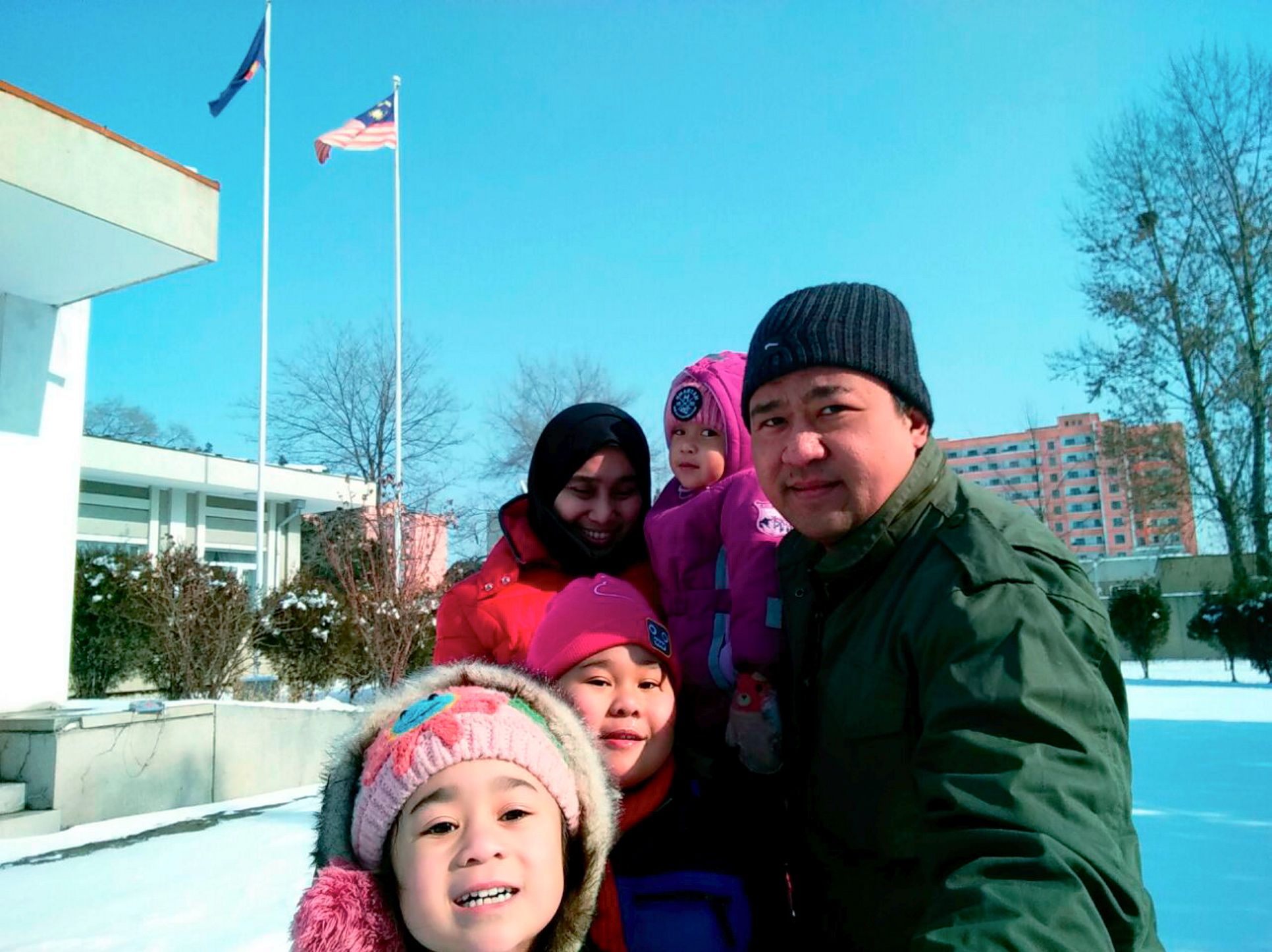
Caught in the fall out: A picture of embassy staff Iza Karmila Ramli (black tudung) with her husband Mohd Nor Azri Md Zain with their three children posing in front of the Malaysian Embassy in Pyongyang in this photo dated March 9, 2017, during the standoff with North Korea. Photo by Bernama.
Caught in the fall out: A picture of embassy staff Iza Karmila Ramli (black tudung) with her husband Mohd Nor Azri Md Zain with their three children posing in front of the Malaysian Embassy in Pyongyang in this photo dated March 9, 2017, during the standoff with North Korea. Photo by Bernama.
The tense standoff culminated with the nine Malaysians finally being allowed to depart for home on March 30, 2017, in exchange for allowing some North Koreans to leave the country as well as for the release of Kim Jong-nam's body.
Read: Nine Malaysians stranded in North Korea on their way home
The body, which was formally identified by DNA from Kim Jong-nam's son, had been kept at the Hospital Kuala Lumpur mortuary.
Read: Jong Nam's son gave DNA to identify body

NO other court case saw more drama or security than the charging of the two suspects Doan Thi Huong and Siti Aisyah, with four men still at large, for the murder of Kim Jong-nam.
Not only was there a long queue of journalists trying to get into the Sepang court complex for their charging on March 1, 2017 - a process that took only 20 minutes - there was truck after truck ferrying balaclava-clad, heavily armed snipers.

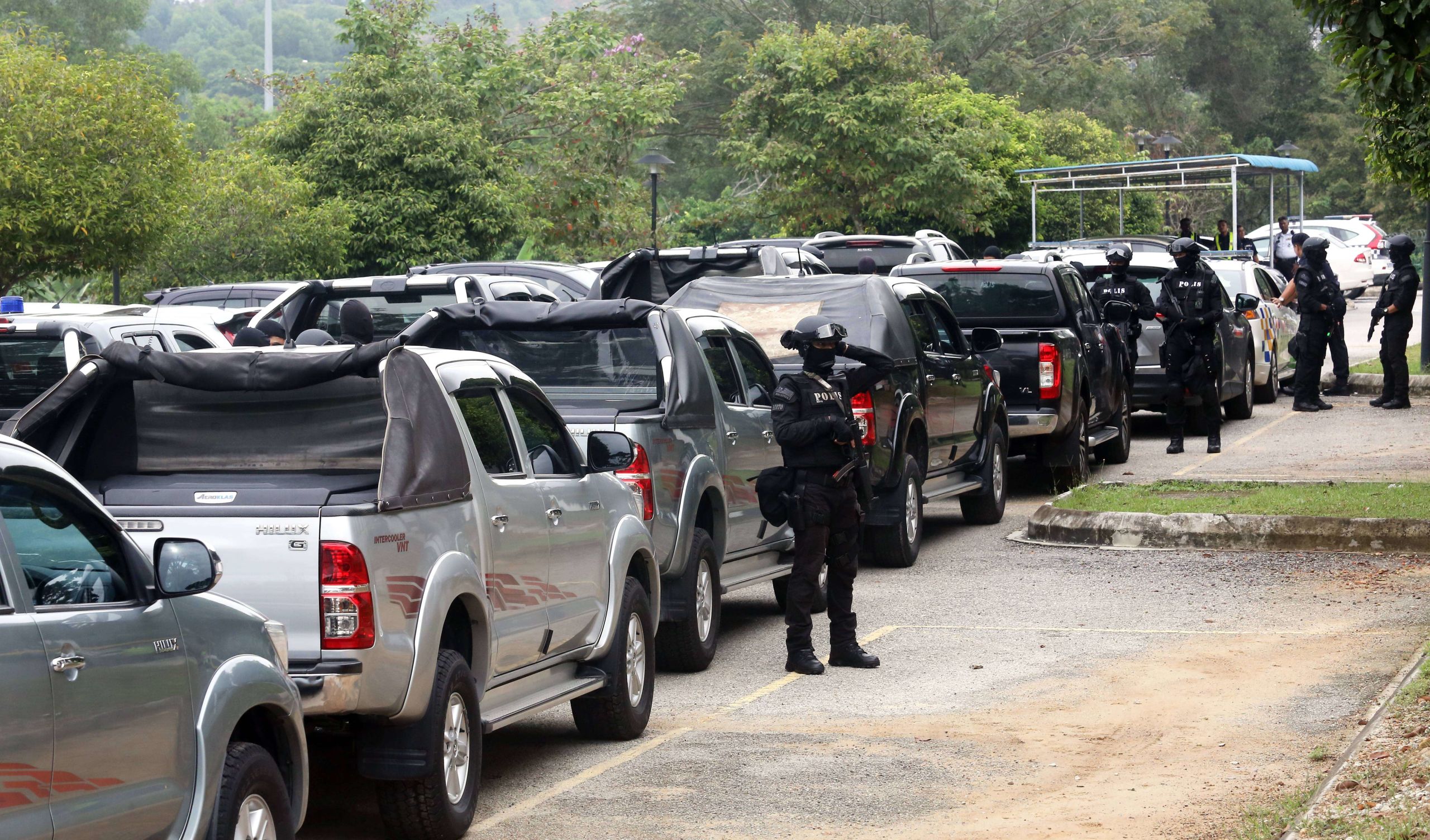
Heavy police vehicles lined up the road leading to the Sepang court complex for the charging of Siti Aisyah and Doan Thi Huong on March 1, 2017. Photo taken by Azhar Mahfof
Heavy police vehicles lined up the road leading to the Sepang court complex for the charging of Siti Aisyah and Doan Thi Huong on March 1, 2017. Photo taken by Azhar Mahfof
Policemen lined the only road to the courthouse - which on other days probably does not see too much traffic - cordoning off parts of the street with the ubiquitous yellow tape in an effort at crowd control.
Personnel from the Special Task Force on Organised Crime (Stafoc) - that has since been disbanded - perched themselves at high points around the building.

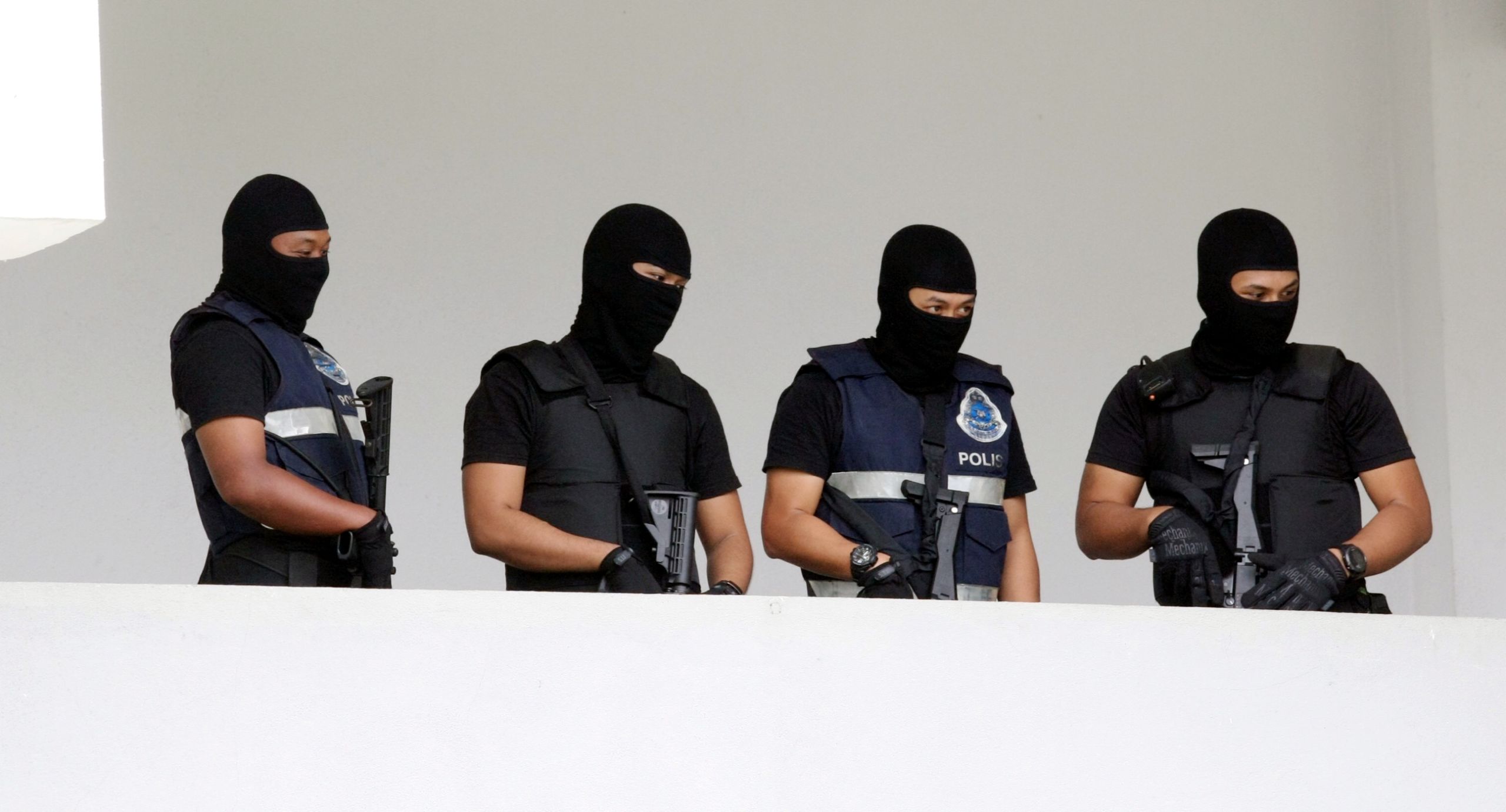
Members of the Special Task Force on Organised Crime personnel on lookout duty at the Sepang court complex during the charging of Siti Aisyah and Doan Thi Huong for the murder of Kim Jong-nam on March 1, 2017. Photo taken by Norafifi Ehsan.
Members of the Special Task Force on Organised Crime personnel on lookout duty at the Sepang court complex during the charging of Siti Aisyah and Doan Thi Huong for the murder of Kim Jong-nam on March 1, 2017. Photo taken by Norafifi Ehsan.
Even the two female accused were brought in and out of the courthouse wearing bullet-proof vests and surrounded by Stafoc men.
With the much tighter than usual security, journalists had to show up at the court complex as early as 6am to obtain special passes to cover the proceedings, with some even trying to beat the queue by being there at 5.30am.
Read : Just 20 minutes - but high drama
The charging of Siti Aisyah and Doan Thi Huong at the Sepang court complex for the murder of Kim Jong-nam on March 1, 2017.
The authorities were not taking any chances, not even during the reenactment of the murder at KLIA2 in October of that year.

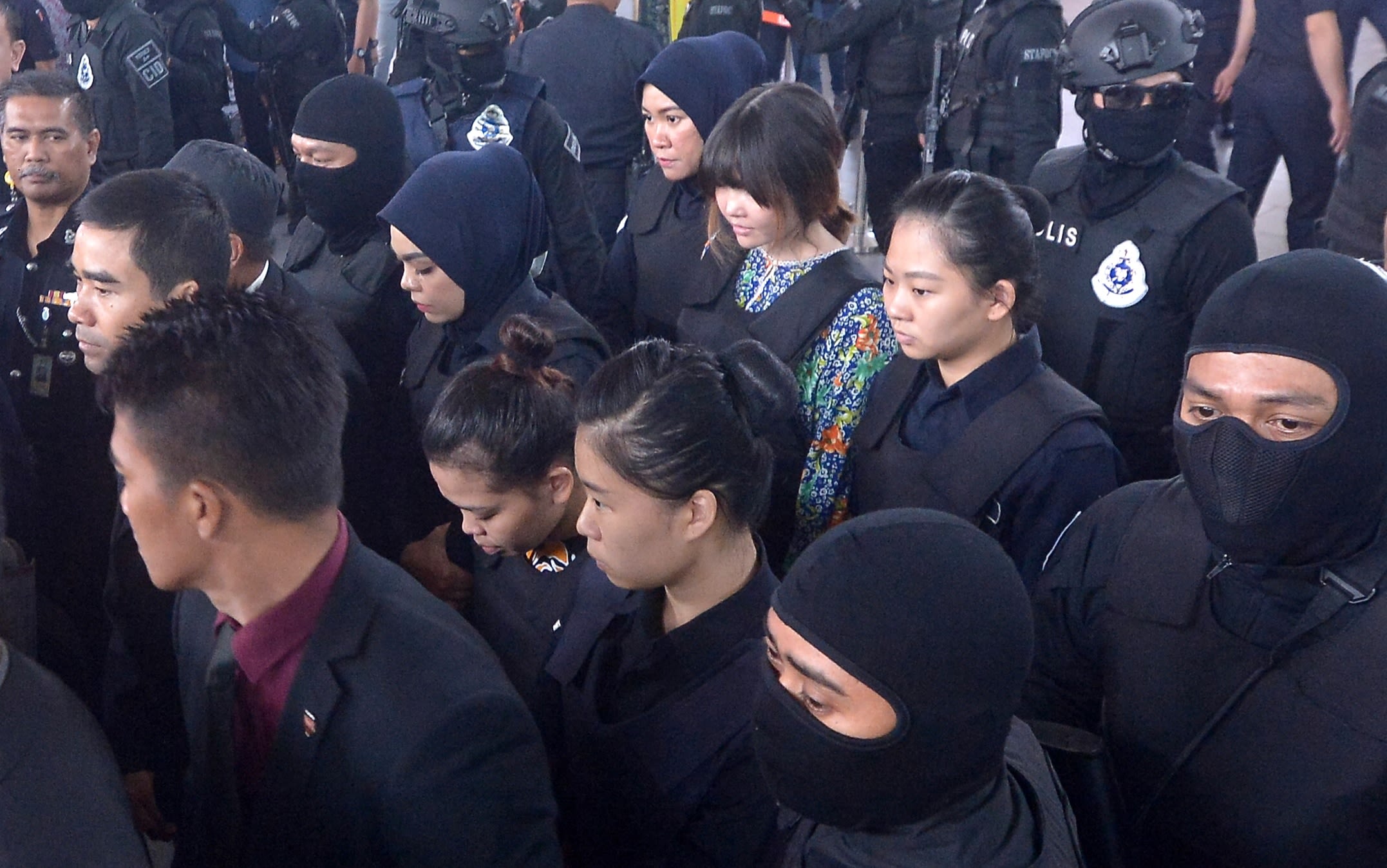
Siti Aisyah (with hair bun and looking down) and Doan Thi Huong (floral blouse) during the re-enactment of the murder at KLIA2 on Oct 24, 2017. Photo taken by Raja Faisal Hishan
Siti Aisyah (with hair bun and looking down) and Doan Thi Huong (floral blouse) during the re-enactment of the murder at KLIA2 on Oct 24, 2017. Photo taken by Raja Faisal Hishan
During the trial at the Shah Alam High Court, both women maintained their innocence, insisting that they had thought that they were only taking part in a prank for a reality show, although the prosecution argued that there had been "trial runs".
Read: Siti Aisyah paid to take part in 'pranks', court hold
Read: Accused caught smearing days earlier
Sensational testimony from investigating officers however implicated the four North Korean men in a cobweb of deception and intrigue that spanned half the globe.
Read: Counsel outlines flight path of four implicated in murder
Read: Their shoes gave them away
After over two years of trial, the High Court granted a discharge not amounting to an acquittal to Siti Aisyah after the prosecution informed the judge that it had been instructed to withdraw the charge on March 11, 2019.
Doan Thi Huong was, however, sentenced to three years and four months in jail on April 1, 2019, after pleading guilty to an alternative charge under Section 324 of the Penal Code for voluntarily causing hurt by dangerous weapons or means.
With her jail time shortened due to her entitlement for a one-third remission on the prison sentence, which ran from the date of her arrest, the Vietnamese was freed on May 3, 2019.

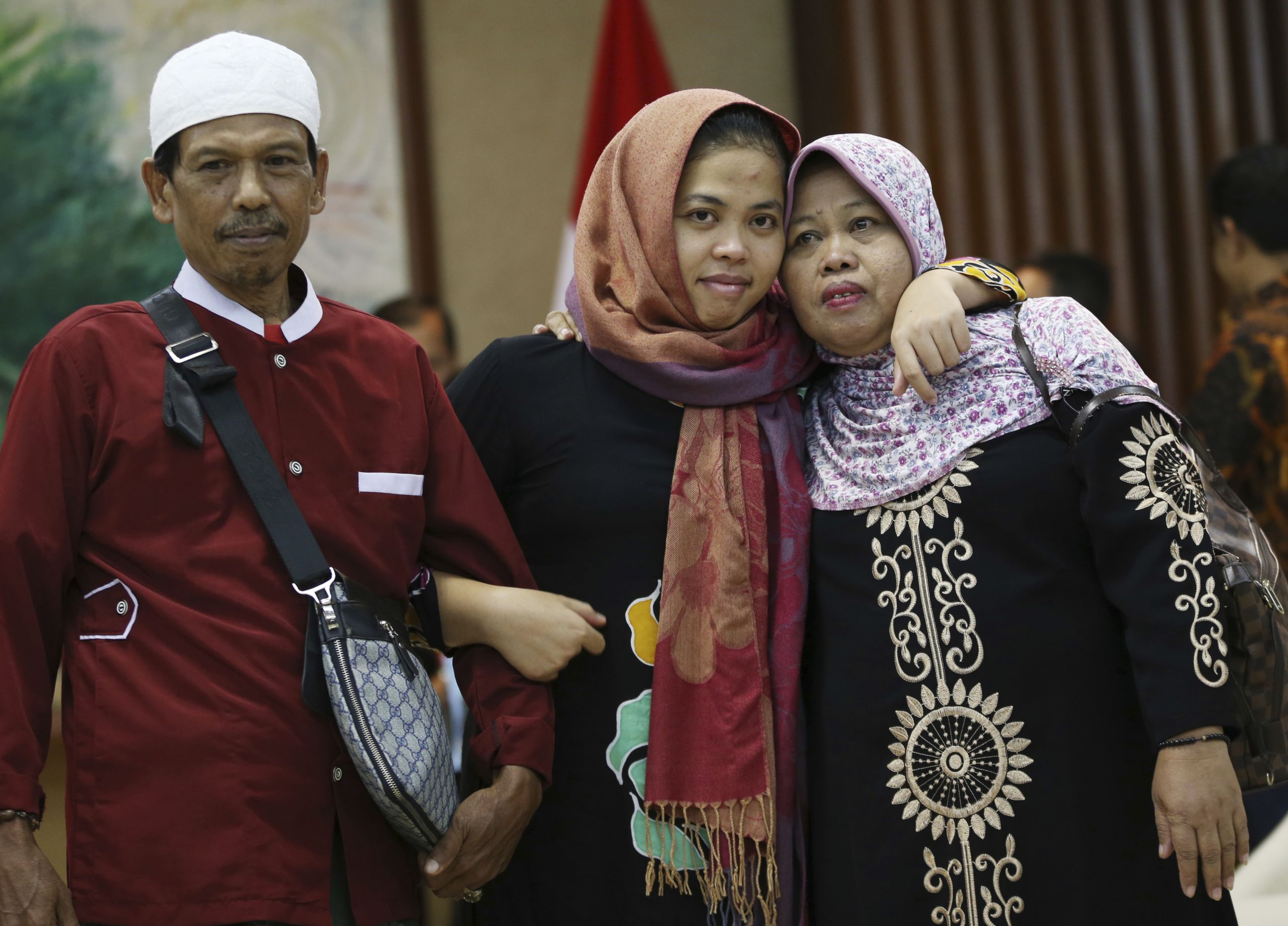
Indonesian Siti Aisyah, centre, holds her parents Asria (left) and Benah (right) after a press conference at the Foreign Minister's office in Jakarta, Indonesia, on March 11, 2019. - AP Photo/Achmad Ibrahim
Indonesian Siti Aisyah, centre, holds her parents Asria (left) and Benah (right) after a press conference at the Foreign Minister's office in Jakarta, Indonesia, on March 11, 2019. - AP Photo/Achmad Ibrahim

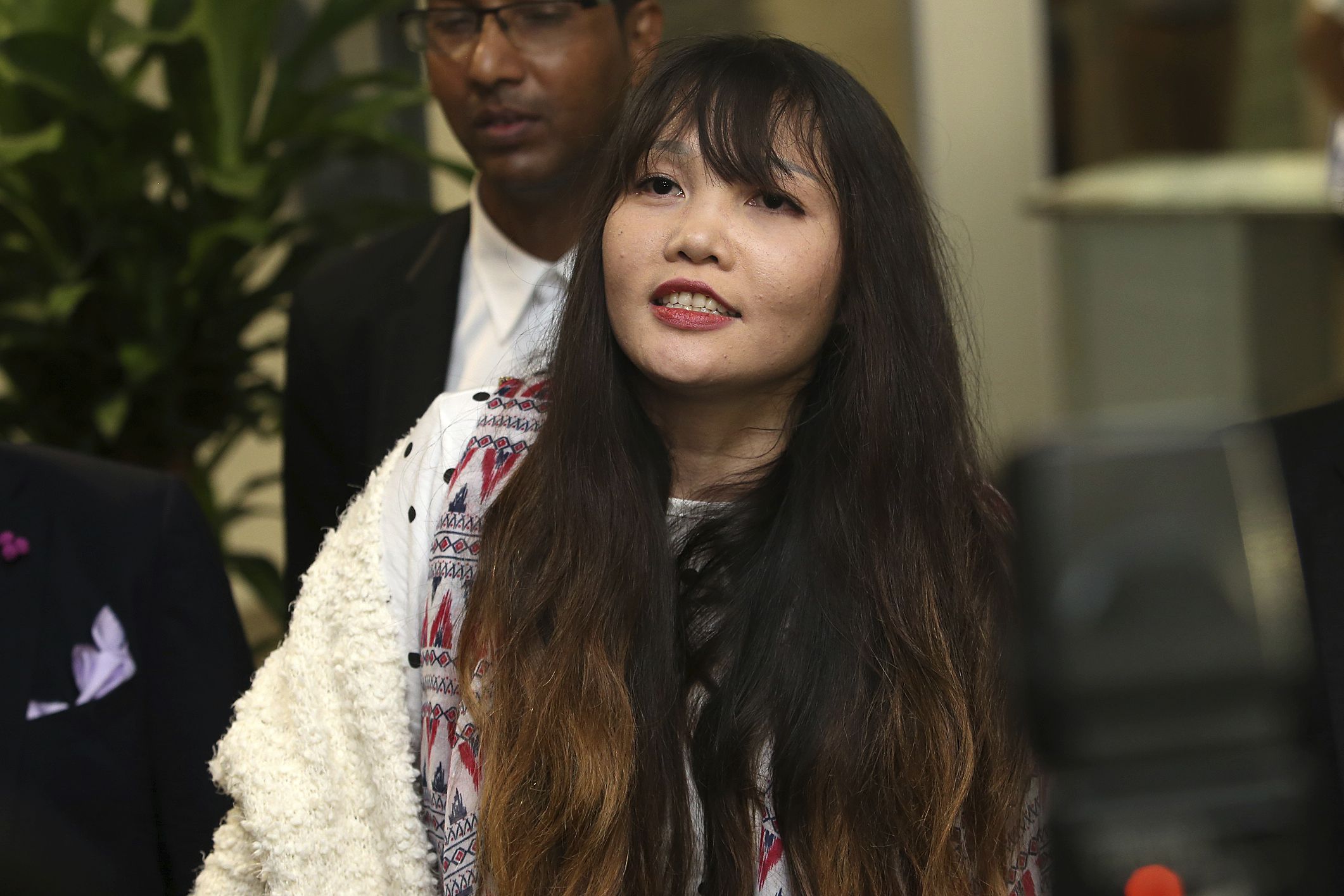
Vietnamese Doan Thi Huong, arrives at Noi Bai airport in Hanoi, Vietnam, on May 3, 2019. - REUTERS/Kham
Vietnamese Doan Thi Huong, arrives at Noi Bai airport in Hanoi, Vietnam, on May 3, 2019. - REUTERS/Kham
Both women have since gone back to their home countries and according to their lawyers, are moving on with their lives.
Lawyer Gooi Soon Seng, who represented Siti Aisyah, said his client had adjusted to normal life.
"She is thankful that the case has been dropped against her and that the Attorney General of Malaysia has given an undertaking in the apex court that no charges will be brought against her in the future.
"We were fully convinced that she was a scapegoat in the entire process," he said.
Salim Bashir, who was part of Doan's defence team, said they were apprehensive when Siti Aisyah's charges were dropped.
"We did not know what Doan's fate would be. However, everything worked out in the end and the legal team was relieved when the final sentencing was made," he said.
"We have not kept in contact with her since she flew back home. We were told that she was living her life joyfully with her family."
It was a happy ending for the two women.
However, whether it is the ending to the tale of the Kim Jong-nam assassination saga is anyone's guess.


Credits
Writers : Farik Zolkepli, Austin Camoens, Jo Timbuong and Justin Zack
Photographers: Azhar Mahfof, Azman Ghani and Art Chen
Graphics Artist: Nor Shalina Abdul Samad
Editor: Sim Leoi Leoi
 Built with Shorthand